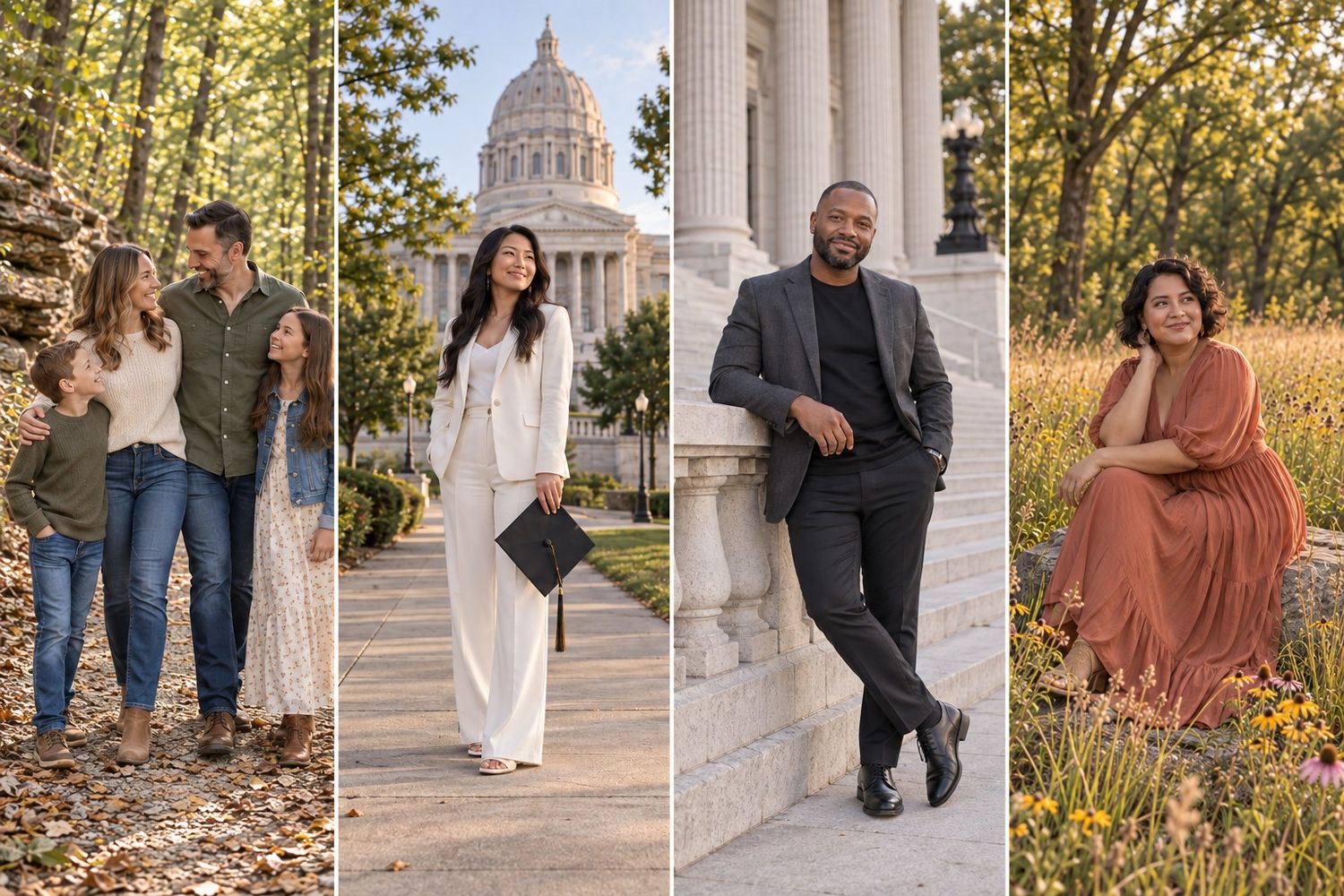

A great brand photo is not simply proof that you were present at work. It gives people a feeling about what it will be like to choose you. The most effective branding photography examples make expertise visible while preserving the personality, care, and point of view behind the business.
For a service-based professional, that distinction matters. A polished headshot may open the door, but a thoughtful collection of imagery helps a potential client imagine the relationship: the welcome they will receive, the details you notice, the confidence you bring, and the result they can expect. The goal is not to look busy for the camera. It is to create an honest visual story worth remembering.
What Makes Branding Photography Feel Worth Looking At
Stock-like images tend to flatten a business into a category. They show a laptop, a handshake, a coffee cup, or a perfectly staged desk, yet say little about why someone should care. Personal brand photography works when the setting, wardrobe, expression, movement, and details all support the same message.
That does not mean every image needs to be formal or dramatic. A therapist may need images that feel calm and grounded. A designer may want graphic, editorial portraits. A real estate professional may benefit from warmth, energy, and a sense of place. The right direction depends on your clients and the experience you want them to associate with your name.
12 Branding Photography Examples to Shape Your Session
1. The welcoming signature portrait
This is the image people see first: on your website, speaker bio, social profile, or press feature. It should feel refined without becoming distant. A direct gaze, relaxed posture, and intentional styling can communicate confidence before a visitor reads a single word.
Choose a setting that supports your work rather than competing with you. A clean studio portrait can be ideal for executives and consultants, while a beautifully appointed space may better suit a creative founder or wellness professional.
2. The arrival moment
Show the beginning of your client experience. This could be opening the door to your studio, greeting someone in a bright office, stepping into an event venue, or walking toward a meeting with purpose. These images create movement and make your business feel human.
They are especially valuable for professionals whose service begins with trust. The photograph says, quietly, “You will be cared for here.”
3. The expert at work
A photograph of you actively doing what you do builds credibility quickly. A florist arranging stems, an attorney reviewing a document with focus, a stylist consulting with a client, or a chef plating a dish offers visual proof of skill.
The key is direction. Work-in-progress images should not feel like surveillance. A well-planned frame can preserve a genuine action while using flattering light, thoughtful composition, and an environment that reflects the quality of your service.
4. The consultation
For many businesses, the most meaningful work happens in conversation. Images of a consultation, planning meeting, fitting, discovery call, or design review show that your clients are not receiving a one-size-fits-all experience.
Use real interaction whenever possible. Expressions, hands, and attentive body language matter more than forcing everyone to smile at the camera. The image should feel like a moment of connection, not a staged boardroom scene.
5. The signature process detail
Every accomplished professional has a process that deserves to be seen. It may be sketching a custom plan, selecting fabric swatches, writing notes before a ceremony, adjusting a camera, preparing a client gift, or reviewing a carefully developed strategy.
Close-up images give your gallery texture and rhythm. They also help people understand the care behind the finished result. Details are not filler when they reveal discernment.
6. The finished work in its best light
If you make, design, style, or deliver something tangible, photograph it with the same care you bring to creating it. This might be an event tablescape, a finished interior, a curated product collection, a handwritten stationery suite, or a framed artwork on the wall.
A finished-work image should carry context. Rather than documenting an object in isolation, show enough of the surrounding atmosphere to make its value felt. Beautiful work deserves room to breathe.
7. The client experience
People often choose a premium service because of how they want to feel, not only what they need done. When appropriate and permission is in place, photographs of clients being guided, celebrated, or thoughtfully served can communicate that emotional outcome.
This is not about manufacturing candid moments. It is about noticing the real ones: a shared laugh, a reassuring conversation, a proud reveal, or the quiet concentration before an important moment.
8. The sense of place
For a Mid-Missouri business, location can be part of the story. A downtown Jefferson City street, a graceful local venue, a light-filled home, or a landscape that feels familiar can add character without becoming a postcard.
Environmental portraits work best when the place has a purpose. Ask whether the location reflects your clientele, your creative point of view, or the experience you provide. If it does not, a simpler setting may be more powerful.
9. The founder beyond the desk
Clients hire people, not logos. A few images that show your life outside the obvious work scene can make your brand more relatable: walking through a favorite neighborhood, preparing for the day, sharing a quiet moment with a family pet, or pursuing an interest that informs your perspective.
There is a trade-off here. Personal does not mean private. Share what strengthens the story of your brand and protects the parts of your life you prefer to keep for yourself.
10. The editorial hero image
This is the portrait with a little more visual drama: a purposeful pose, an elevated wardrobe, sculpted light, or a bold architectural background. It is often the image that earns a pause on a website homepage or an announcement campaign.
An editorial image is not about pretending to be someone else. It is about giving your existing presence the space to look as intentional as your ambitions. For many entrepreneurs, that shift is deeply affirming.
11. The team in relationship
If clients will work with more than one person, group photographs should convey how your team functions together. Avoid lining everyone against a wall and calling it culture. Show collaboration, distinct personalities, and a shared standard of care.
A well-directed team session can include a polished group portrait alongside smaller pairings and working moments. This gives your audience both clarity and a fuller sense of the people behind the business.
12. The quiet confidence image
Not every image has to sell a service directly. A composed portrait in a calm moment can give your gallery emotional depth. Think of a founder pausing near a window, a professional seated in a thoughtfully designed space, or a maker reflecting beside finished work.
These photographs are especially useful for websites, presentations, and print materials where you need visual breathing room. They communicate assurance without asking for attention too loudly.
Planning Images That Will Still Feel Like You Next Year
The strongest branding sessions begin before wardrobe arrives. Consider the questions your future clients ask when they are deciding whether to contact you. What do they need to trust? What does your process look like? What should they feel when they see your work?
From there, build a visual plan around real business moments rather than a long list of poses. Choose two or three locations with different purposes, bring wardrobe options that feel polished and comfortable, and plan for a range of wide portraits, close details, and images with open space for text. This creates a gallery that can serve your website, social channels, print pieces, and future campaigns without looking repetitive.
At ali almazar Photography, the best sessions are guided with the same attention given to any meaningful portrait experience. You do not need to arrive knowing how to pose or perform. You need a clear sense of what you want your clients to understand about you, and the willingness to be seen with intention.
Your brand is already speaking through every point of contact. Give it photographs that let the right people recognize the care, confidence, and distinct point of view they have been looking for.