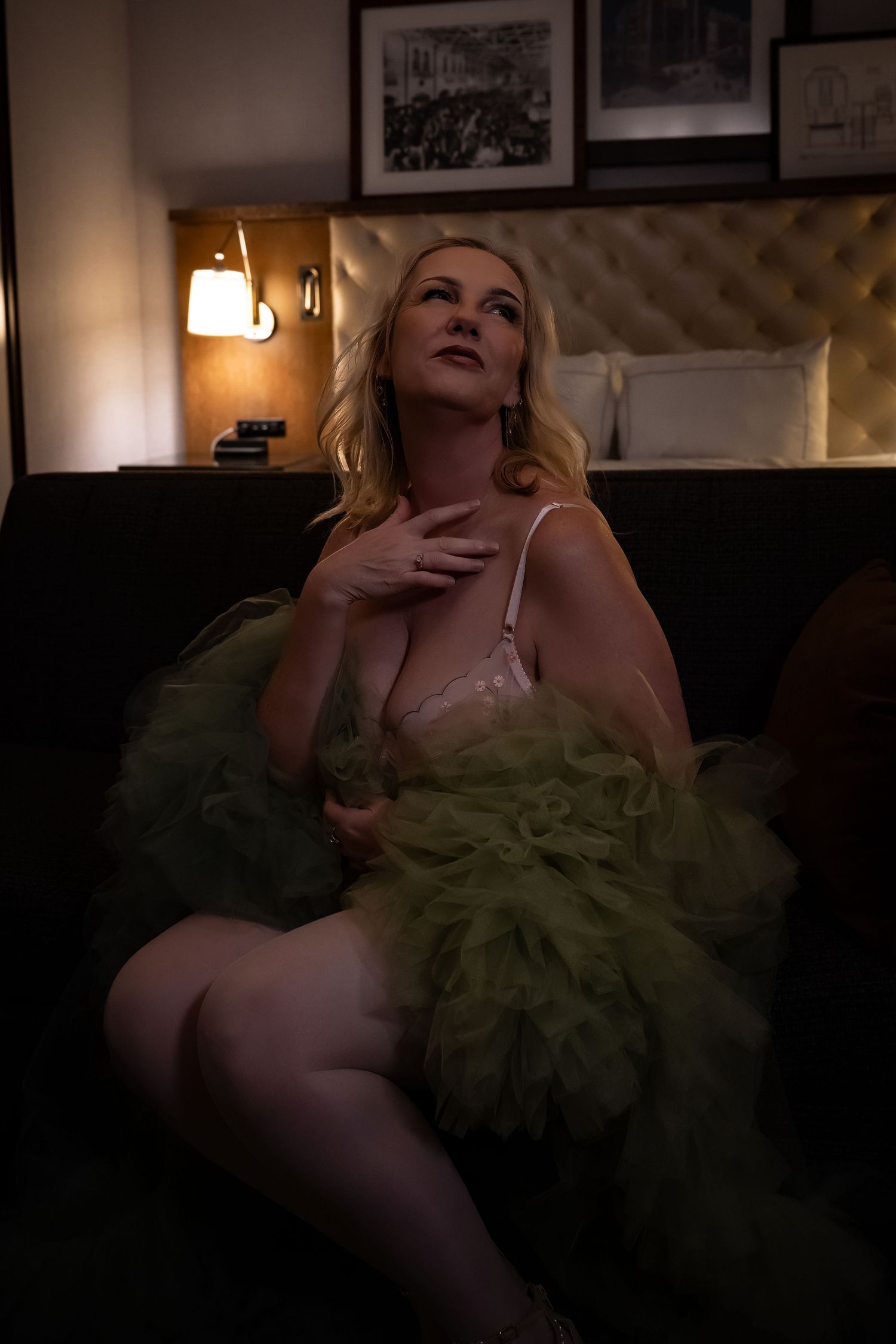
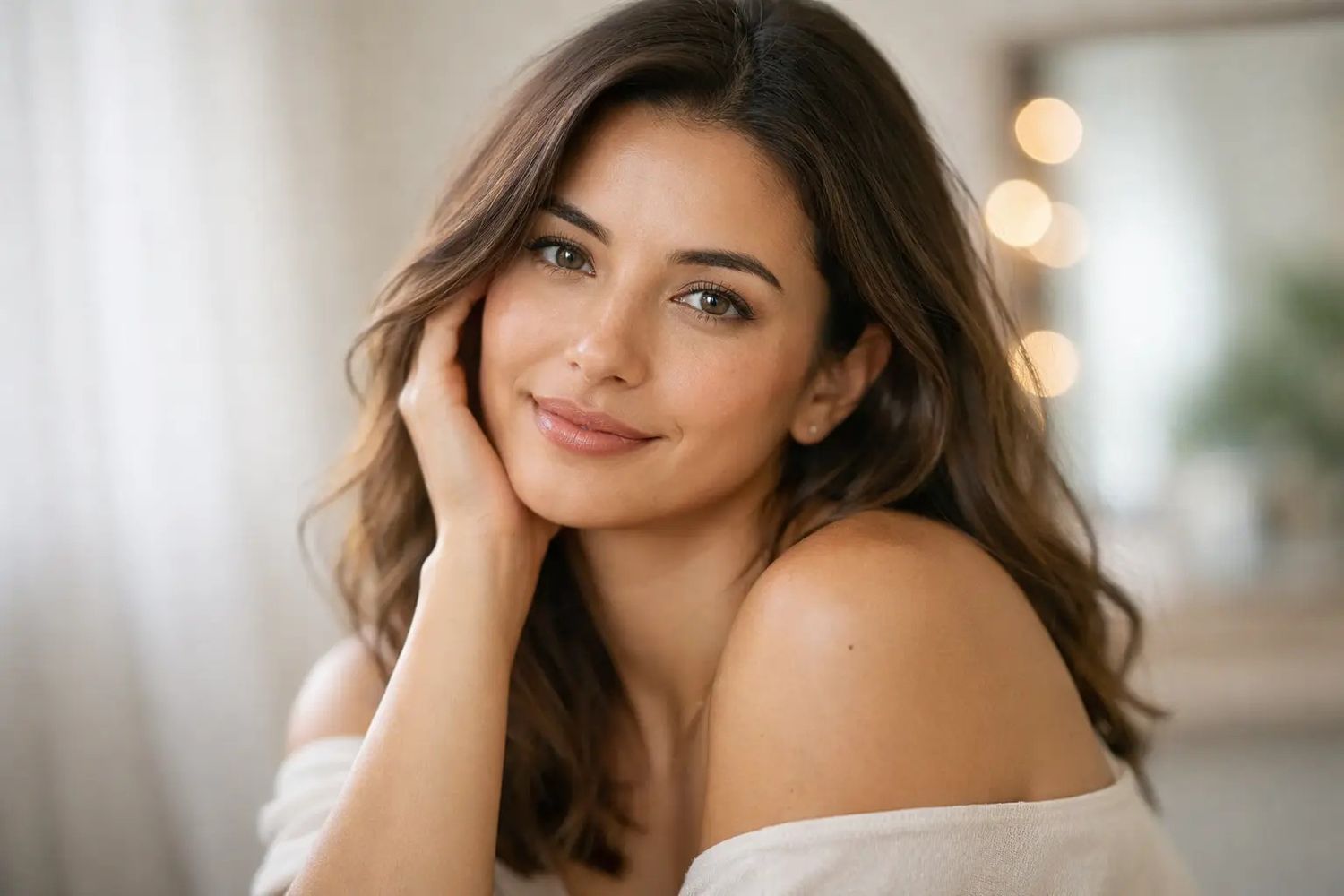
A beautiful portrait is not about becoming someone else for the camera. It is about being given the time, direction, and care to recognize yourself with fresh eyes. Beauty portrait photography creates that rare space: a session where your presence, expression, style, and strength are treated as worthy of art.
For some people, that means a luminous editorial image in a favorite dress. For others, it means a quiet close-up, a bold fashion-forward look, or a portrait that marks a personal turning point. The details can change, but the feeling should remain the same: seen, comfortable, and fully yourself.
What Beauty Portrait Photography Can Hold
Beauty portrait photography lives somewhere beyond the typical headshot and apart from a casual photo session. It is intentionally styled and artfully directed, but it does not require a costume, a new personality, or perfection. Its purpose is to create flattering, expressive images that feel elevated while still feeling honest.
That makes it a meaningful choice for many seasons of life. You may be celebrating a birthday, a professional milestone, a new chapter after a difficult year, or the simple fact that you are ready to stop waiting for the “right” moment to be photographed. You may want images that belong in an heirloom portfolio box, framed in your home, or kept as a private reminder of how you felt when you chose to show up for yourself.
The distinction matters because a beauty portrait is not built on a single angle or a fixed idea of attractiveness. It is built around the person in front of the lens. Your features, energy, comfort level, and personal aesthetic guide the session. A polished result should not erase your character. It should make room for it.
The Experience Starts Before the Camera
The most compelling portraits are rarely accidental. They begin with a conversation about what you want the images to say. Perhaps you want soft and romantic, clean and modern, dramatic and fashion-inspired, or relaxed and quietly powerful. You do not need to arrive with a complete creative brief. A thoughtful photographer helps shape the vision and translates it into choices that feel attainable.
Wardrobe is one of those choices. Clothing affects the mood of an image, but it should also let you move and breathe naturally. A structured blazer can bring confident refinement. A flowing dress can create movement and softness. A simple black top can turn the attention toward your face and expression. Rather than selecting an outfit because it is currently trending, choose pieces that make you feel composed and recognizable.
Professional hair and makeup can be part of the experience, especially when you want a more editorial finish. The goal is not to hide every line, freckle, or trace of real life. It is to create a camera-ready version of your chosen look that holds up beautifully in finished artwork. Some clients prefer a barely-there approach; others want more glamour. Both can be beautiful when the styling reflects the person wearing it.
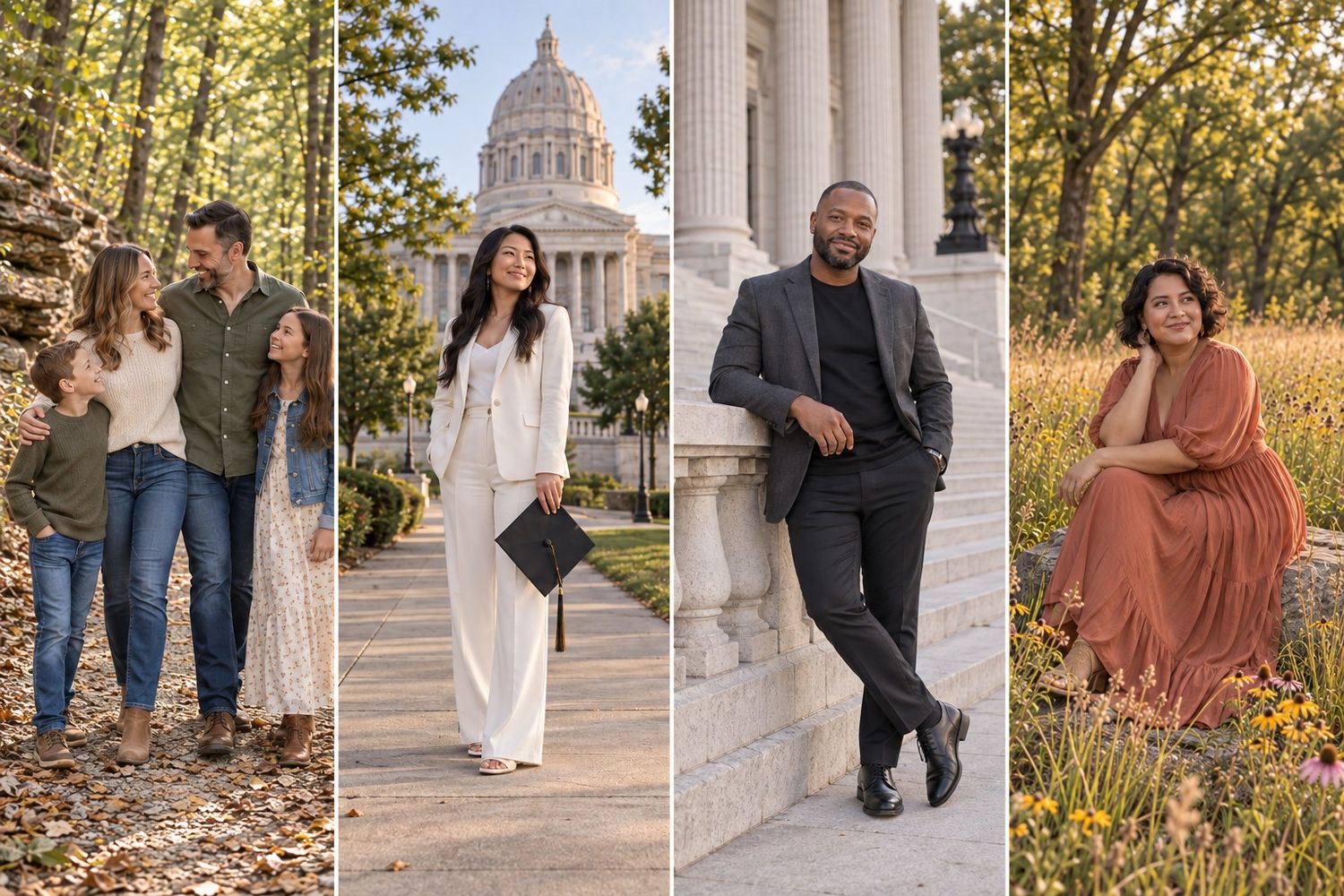
Location and setting also set the emotional temperature. A studio session offers privacy, control, and a clean visual focus. It is ideal for sculpted light, beauty close-ups, and images with a contemporary magazine feel. An outdoor or environmental setting may feel more natural if you want warmth, movement, or a sense of place. Neither is inherently better. The right choice depends on whether you want the portrait to feel like a statement piece, a personal story, or a little of both.
Direction Is What Makes a Portrait Feel Effortless
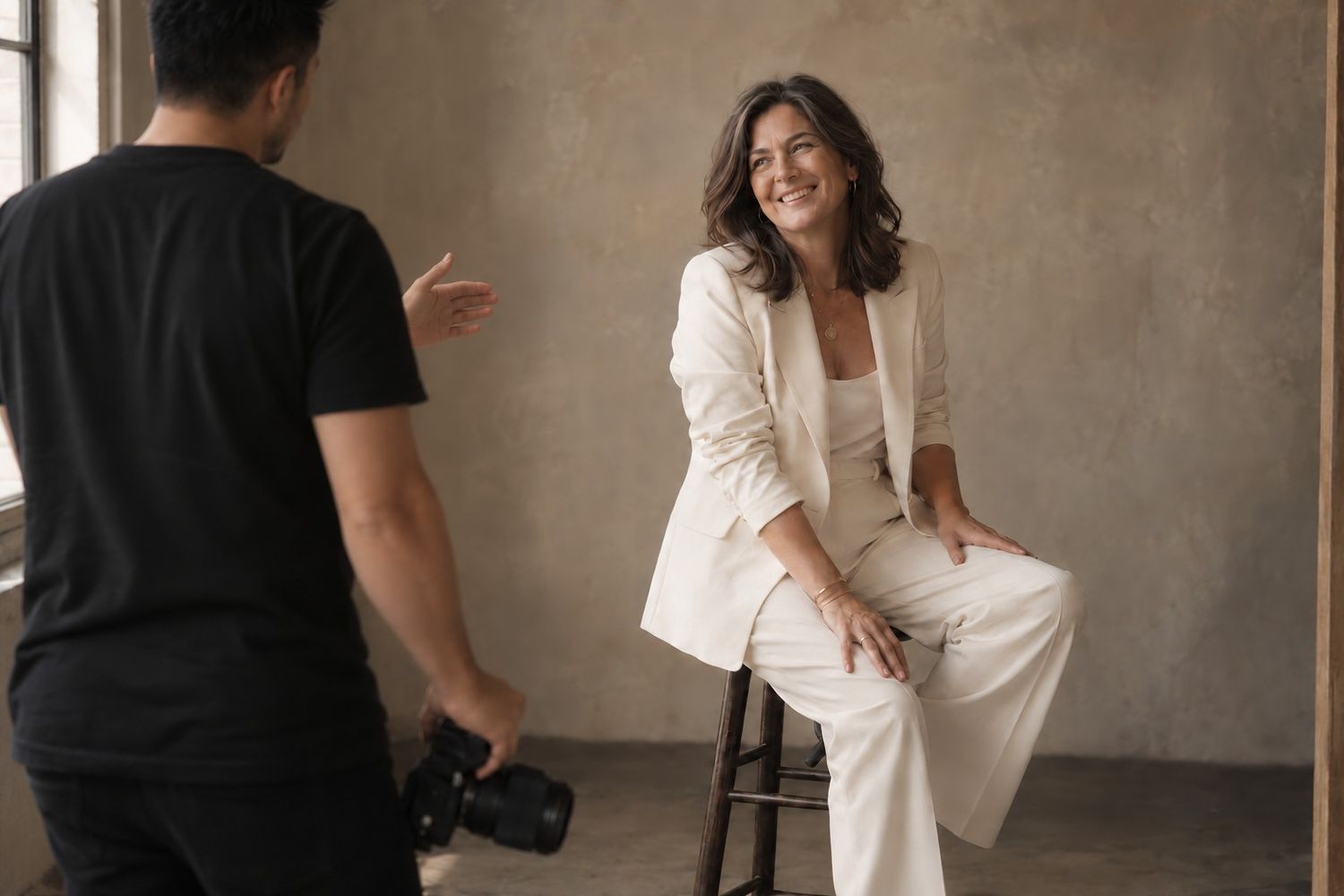
Many people arrive at a portrait session with one private concern: “I do not know how to pose.” The good news is that you should not have to. Being photogenic is not a personality trait or a skill reserved for models. It is often the result of thoughtful direction, patient pacing, and a photographer who understands how small adjustments can change the entire feeling of an image.
The best direction is specific without making you feel stiff. A slight turn of the shoulder, a shift of weight, a softer hand, or a change in where you place your gaze can create a striking difference. Just as important is the space between directions. You need a moment to settle into a pose, laugh when something feels awkward, and find an expression that is genuinely yours.
This is also why rushed sessions tend to feel different. A fast experience may produce a few usable images, but it leaves little room for trust and variety to develop. A guided beauty portrait session allows the first-camera nerves to fade. Often, the portraits clients love most happen after they have stopped trying to perform and begun to feel present.
Flattering Does Not Mean Looking Like Everyone Else
Flattering photography is often misunderstood as aggressive retouching or one-size-fits-all posing. In reality, the most flattering portraits honor proportion, movement, expression, and light while preserving what makes a face and body distinct. The aim is not to manufacture an impossible standard. It is to create images that feel intentional, refined, and kind.
That philosophy matters for clients of every age, gender expression, body type, and comfort level. You deserve photographs that do not ask you to apologize for taking up space. You deserve guidance that is respectful, language that is affirming, and an experience shaped around your boundaries.
Retouching should support the final image rather than overwhelm it. A little refinement can help remove temporary distractions and create a polished finish. But if the finished portrait no longer feels like you, something essential has been lost. Discuss your preferences before the session so the final artwork reflects your definition of beautiful, not someone else’s.
Choosing Images You Will Still Love Years From Now
A portrait can be current without being disposable. Trend-led styling has its place, particularly when you want a fashion editorial look that reflects this exact moment. Yet it is worth balancing those images with a few classic frames: a simple expression, clean styling, and a composition that gives your face room to be the focus.
Think about where your portraits will live after the session. A dramatic close-up may become a striking metal print in a dressing room, bedroom, or private office. A collection of varied images can tell a fuller story in a portfolio box. A smaller printed piece may become a gift for someone who has loved you through an important season. When images are made to be held and displayed, they carry a different kind of weight than files that remain unseen on a phone.
This is not an argument against digital images. Digital photographs make sharing and revisiting easy. But physical artwork gives the experience a place in your daily life. It becomes part of the environment you have chosen for yourself, a quiet visual reminder that you were here and that you allowed yourself to be seen.
Give Yourself Permission to Be in the Frame
There is a common habit of postponing portraits until life feels more settled, a goal is reached, or confidence arrives first. But confidence often grows through the act of being witnessed with care. It grows when you see evidence that softness, power, joy, sensuality, maturity, and individuality can all exist in the same person.
A beauty session can certainly mark an occasion. It can also be the occasion: a decision to celebrate the person you are now, not a future version you believe must earn the right to be photographed. With thoughtful styling, gentle direction, and images made for more than a passing glance, the experience becomes a lasting invitation to see yourself with greater generosity.