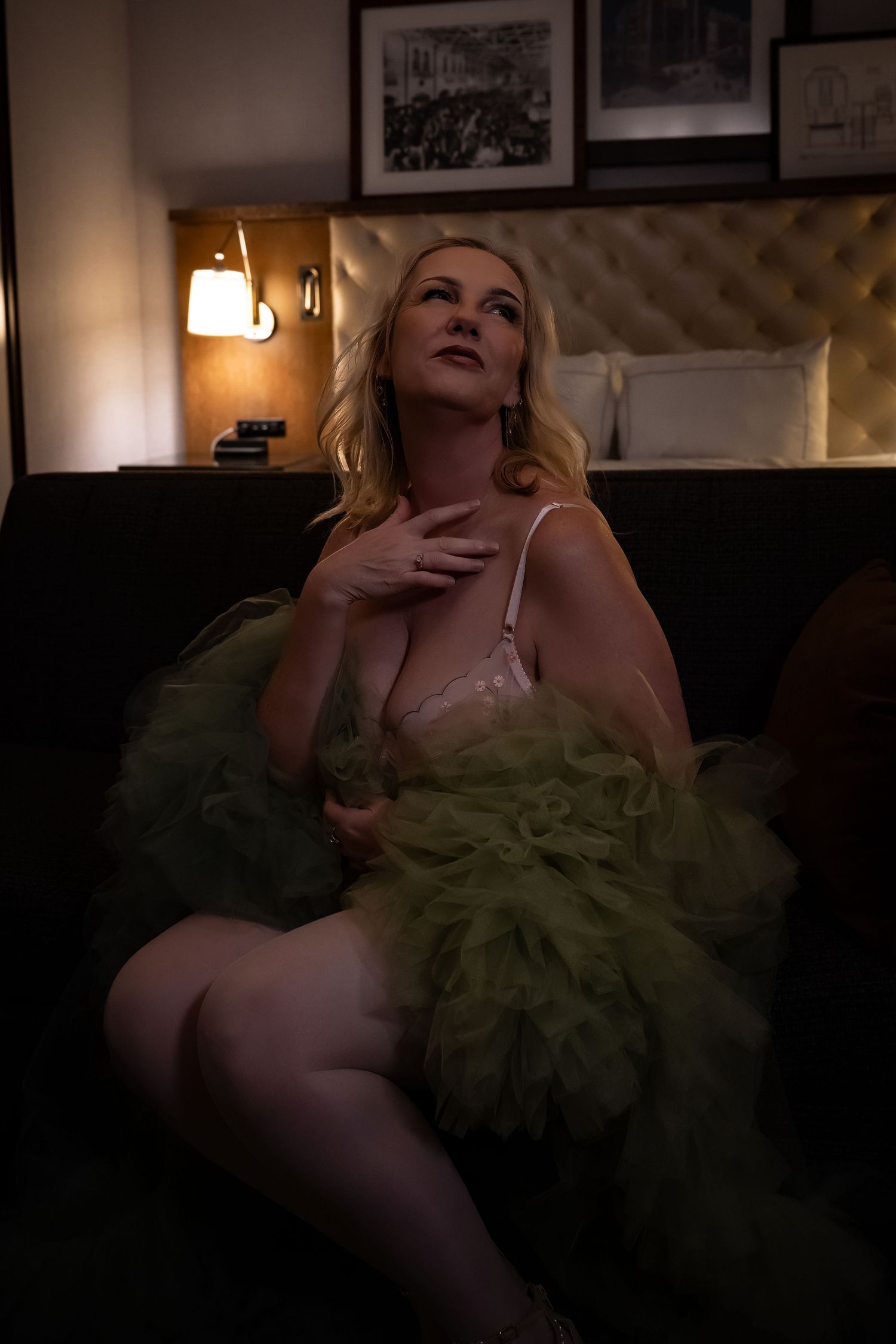
The mirror can be an unfair narrator. It tends to focus on the places that have changed, while leaving out everything those changes have held: a family, a career, a recovery, a great love, a hard-earned sense of self. Boudoir after 40, 50, 60 offers a different perspective. It is not about pretending to be 25. It is about being seen with artistry, care, and the kind of confidence that does not need permission.
For many women, a boudoir session becomes meaningful precisely because it happens later in life. You may arrive at the studio after a milestone birthday, a divorce, a health journey, an empty nest, or simply a season when you are ready to take up space again. The photographs are not a reward for changing your body. They are a record of choosing yourself while living fully in the one you have.
Why Boudoir After 40, 50, 60 Feels Different
Confidence at this stage is rarely loud or uncomplicated. It may sit beside nerves, vulnerability, or the instinct to say, “Maybe after I lose a few pounds.” That is normal. A well-guided boudoir experience makes room for those feelings without allowing them to direct the day.
There is also a freedom that comes with experience. You may know more clearly what feels sensual versus performative, elegant versus overdone, private versus worth displaying. The goal is not to fit into someone else’s version of beauty. It is to create portraits that feel like you on your most present, powerful day.
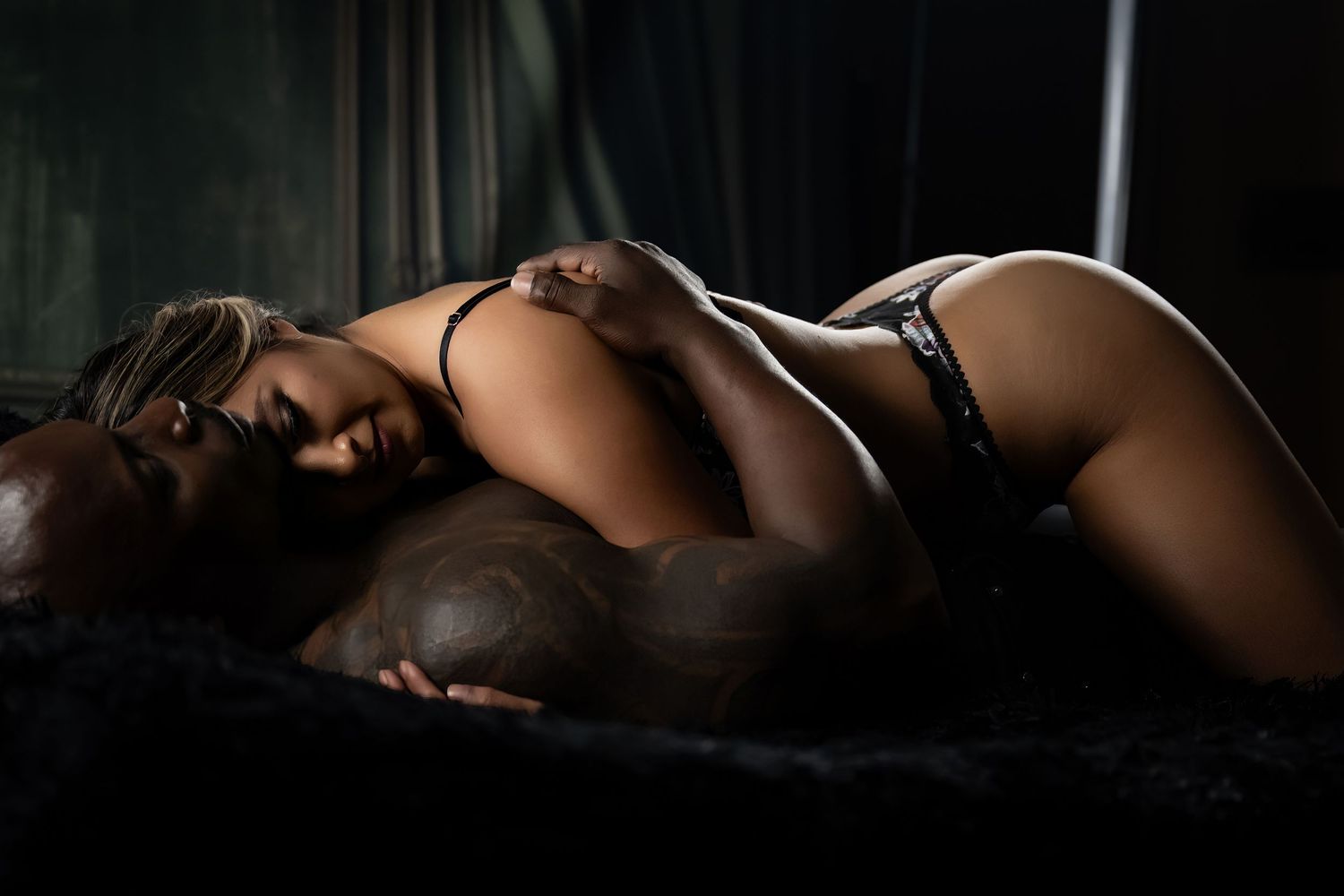
Age can bring details worth celebrating: silver hair, laugh lines, strong shoulders, soft curves, tattoos with history, hands that have made and cared for so much. Editorial portraiture does not erase a life lived. It shapes light, styling, and composition around it. The result can be polished and flattering without becoming unrecognizable.
You Do Not Need to Know How to Pose
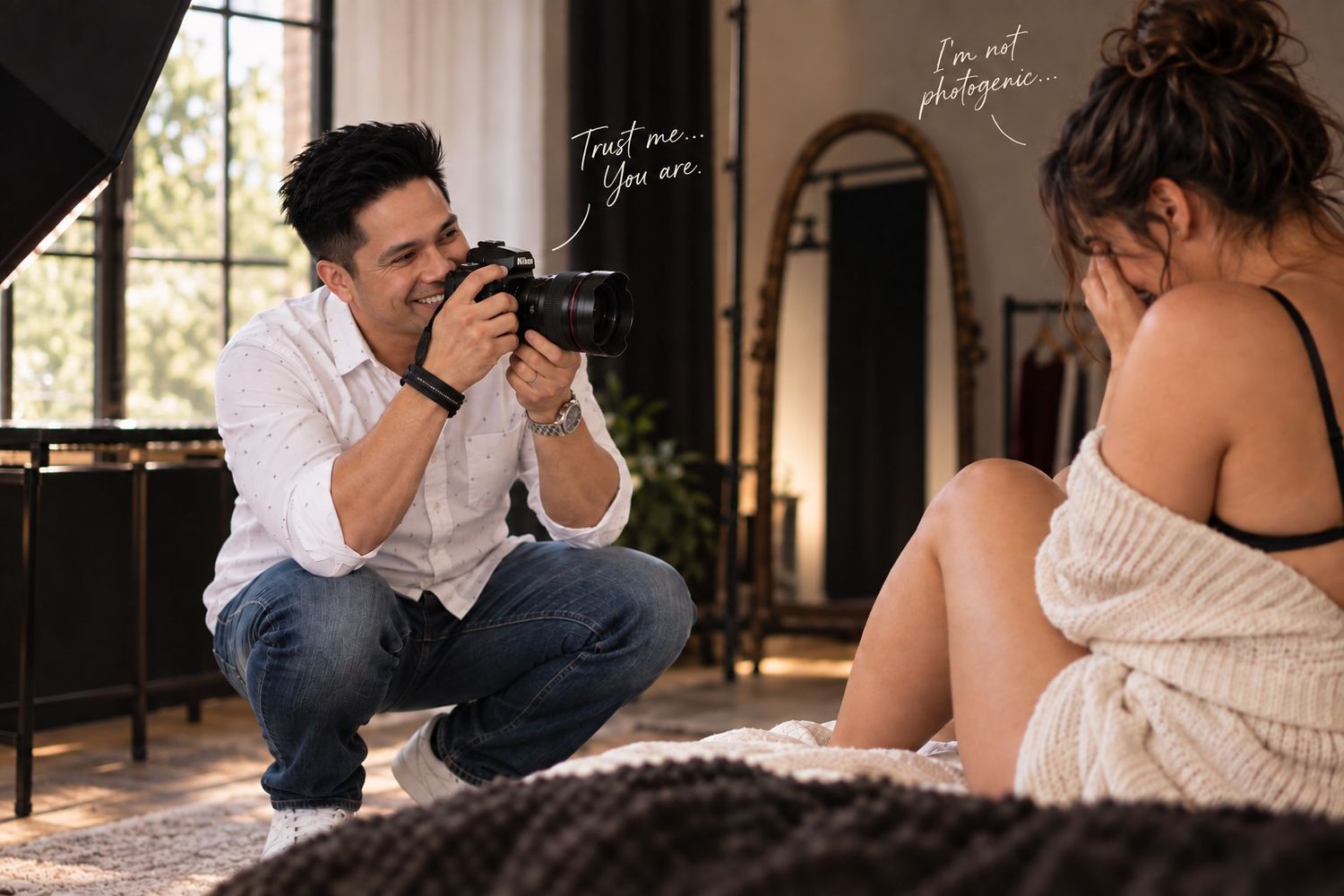
One of the most common worries before a session is simple: “I am not photogenic.” Usually, that means, “I have never been directed in a way that made me feel safe.” A luxury boudoir session is not an audition for a modeling job. You are not expected to know your angles, create expressions on cue, or arrive with an expert-level wardrobe plan.
Thoughtful direction changes everything. Small adjustments to the chin, shoulders, hands, breath, and posture can create a photograph that feels relaxed rather than rigid. Posing should be built gradually, with options that respect your mobility and comfort. A seated pose, a draped sheet, a structured blazer, or a quiet close-up can be just as compelling as a more traditional lingerie image.
This matters even more if your body has changed through menopause, surgery, pregnancy, illness, injury, or aging. There is no single pose that flatters every person, and there should not be. Your session should respond to your body as it is, not ask your body to perform against discomfort.
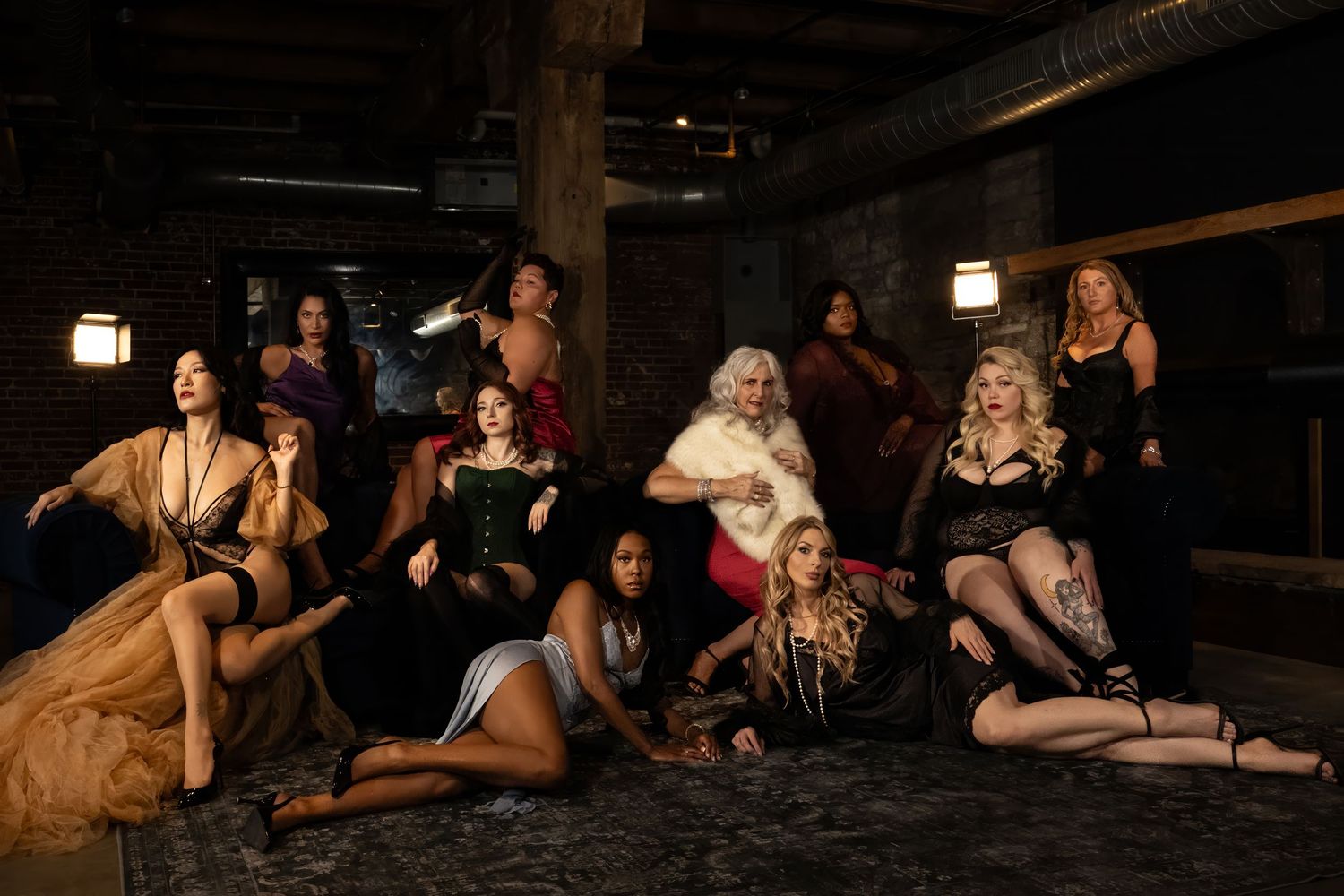
What to Wear When You Want to Feel Like Yourself
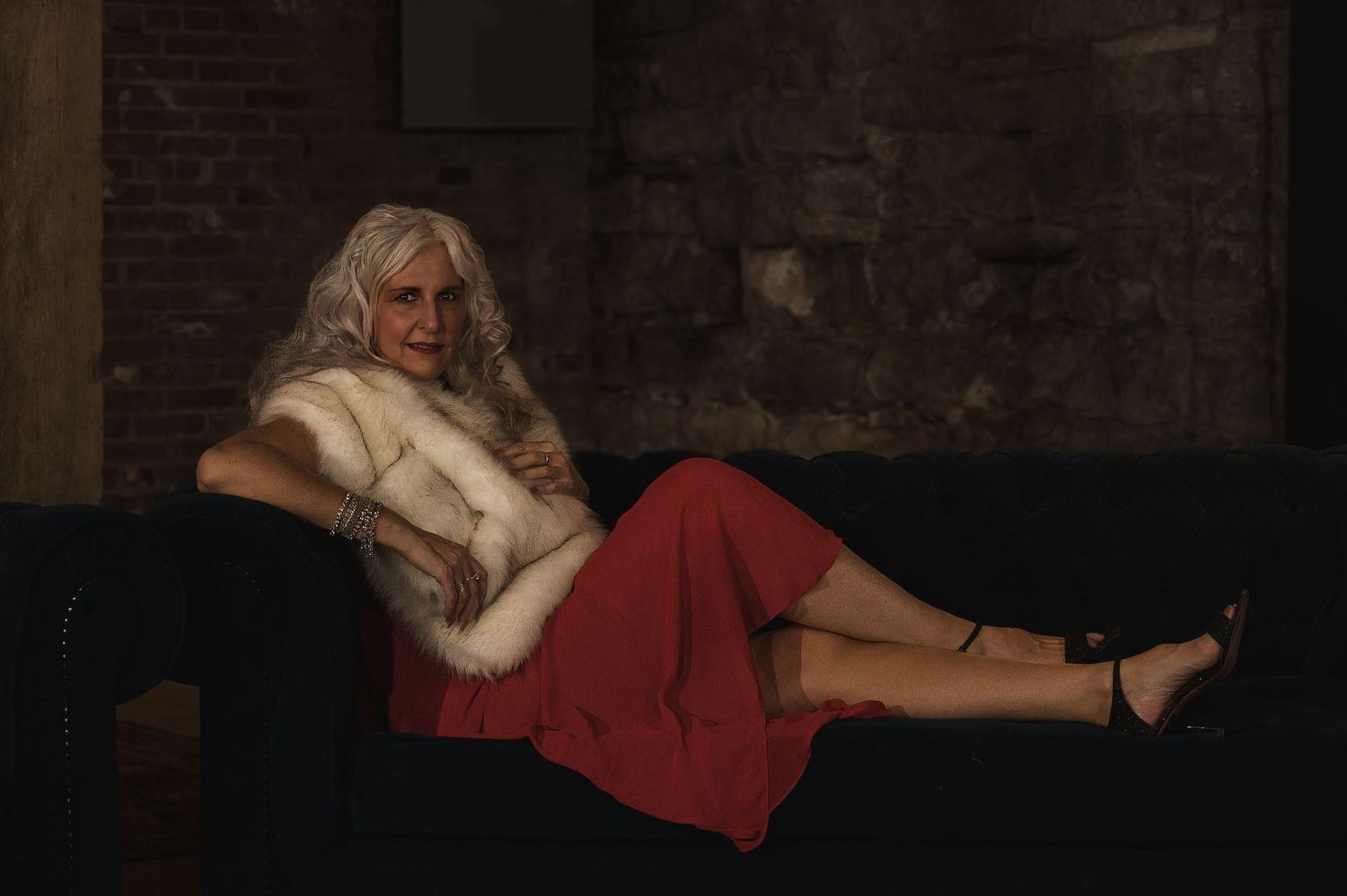
Lingerie is welcome, but it is not the definition of boudoir. The most striking wardrobe choices are often the ones that feel personal. A silk robe, a favorite button-down shirt, an oversized sweater slipping off one shoulder, a sharply tailored jacket, denim, a bodysuit, or nothing more than a sheet can create a beautiful story.
Fit matters more than the number on a tag. Choose pieces that do not pinch, roll, or require constant adjusting. If you love support, seek it out. If you feel best in soft fabrics and looser silhouettes, begin there. A bodysuit can offer beautiful structure; a robe can create movement and softness. High-waisted pieces may feel more secure for some clients, while others prefer a simple black set that lets the face and expression lead.
Bring a few options rather than trying to predict one perfect outfit. A guided consultation can help you edit the choices around the mood you want: romantic, understated, fashion-forward, athletic, moody, or classic. Jewelry, heels, bare feet, and meaningful accessories can add texture, but nothing needs to compete with your presence.
The Real Luxury Is Feeling at Ease
Beautiful images begin well before the camera comes out. The experience should be paced, private, and intentional, with time to settle in rather than rush through a checklist. Professional hair and makeup can be part of that ritual, not because you need to be fixed, but because it gives you room to be cared for.
Communication matters just as much. Before the session, you should be able to share what you love, what makes you nervous, and what you do not want photographed. Perhaps you want to emphasize your legs and avoid close-ups of your midsection. Perhaps you want a portrait that feels sensual but not overt. Perhaps the session is a gift for a partner, but you also want images that belong entirely to you.
Those boundaries are creative information, not inconvenience. The strongest portraits are made when the photographer understands what confidence looks like for the person in front of the lens.
At unButtoned, the experience is designed around expressive portraiture with direction, discretion, and dignity. The emphasis is never on asking you to become someone else for the camera. It is on creating space for the version of you that may already be there, waiting to be recognized.
Retouching Should Honor, Not Erase
Retouching is a personal subject, particularly for clients who have spent years seeing heavily filtered images presented as normal. A refined portrait should be polished. Temporary blemishes, distracting marks, or wardrobe issues can be softened. But there is a meaningful difference between refinement and erasure.
You deserve a conversation about what feels right. Some clients want minimal retouching because they value every detail of their face and body. Others want more finishing work so they can focus on the mood of the image rather than a specific insecurity. Neither preference is wrong.
The best approach is intentional: preserve skin texture, character, and the features that make the image yours, while creating a finished result worthy of print. Your photographs should not make you wonder who that person is. They should make you remember how it felt to finally see yourself with kinder eyes.
Make the Images Part of Your Story
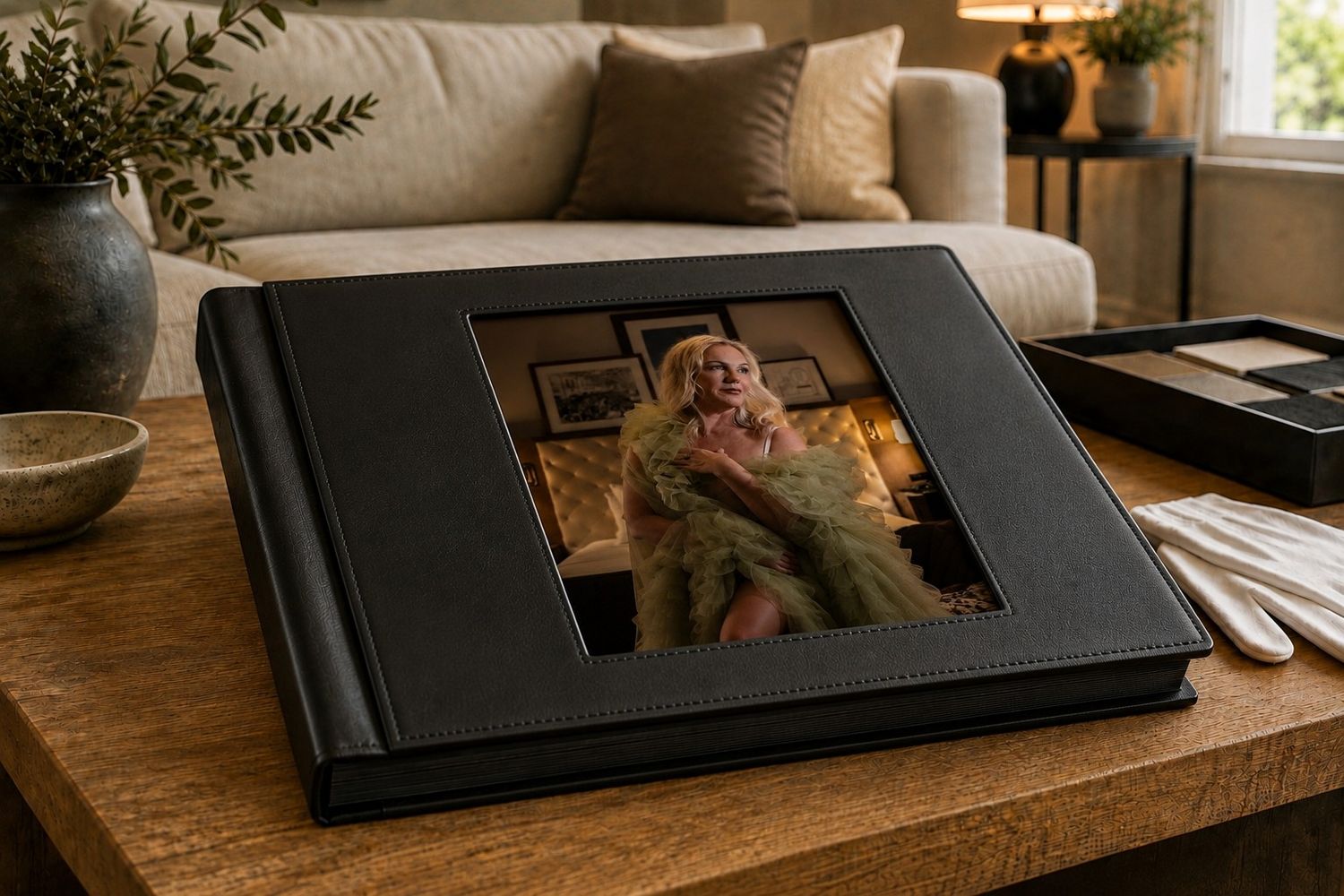
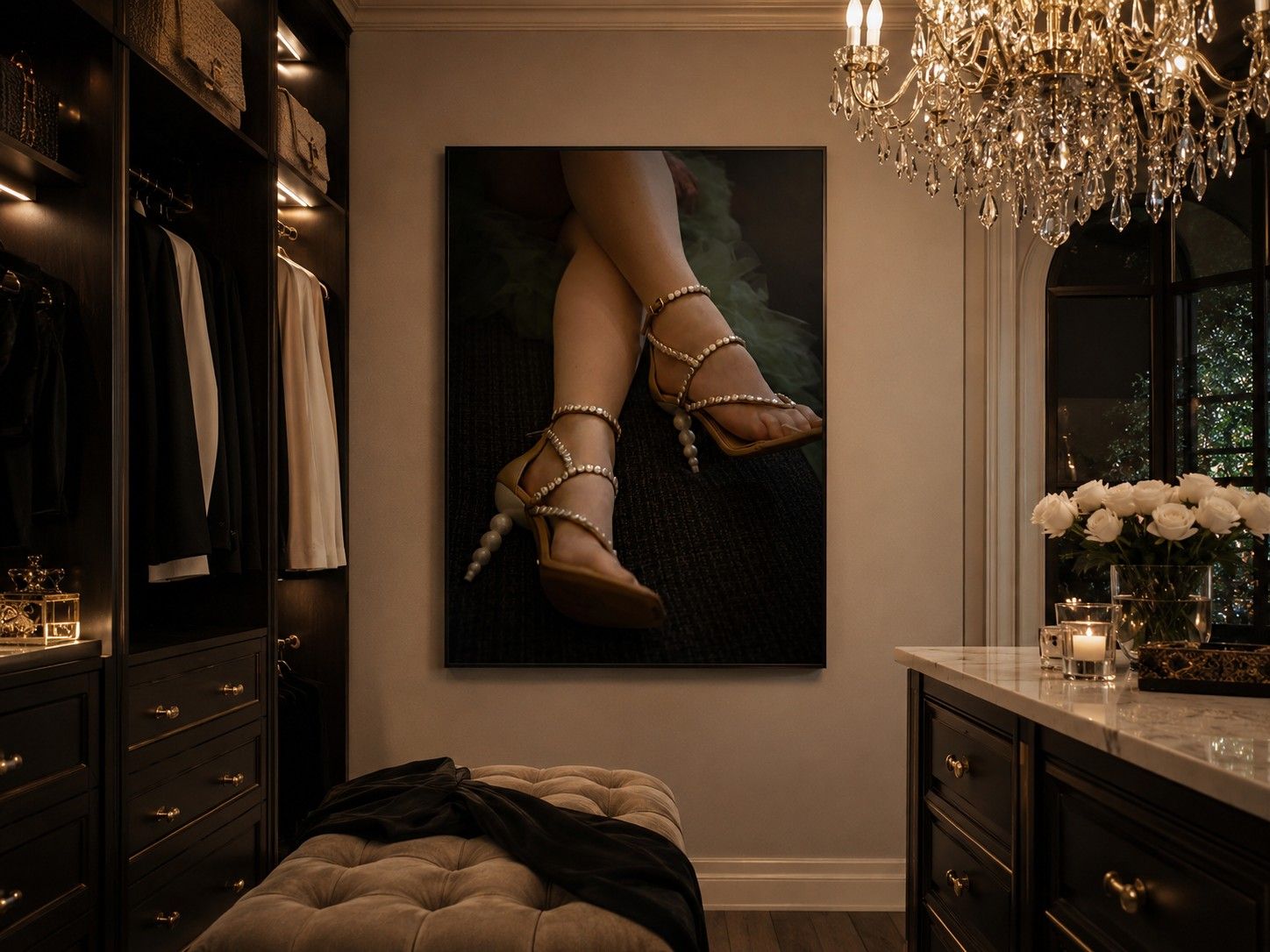
Not every boudoir photograph needs to be displayed publicly. Privacy can be part of its power. Still, these images deserve more than disappearing into a forgotten phone folder. A fine-art portfolio box, an album, or a carefully chosen print gives the experience a physical presence and lets you return to it on your own terms.
For some people, the artwork is a private gift for a spouse or partner. For others, it marks a new beginning after a breakup, a recovery, or a birthday that changed the way they see themselves. And sometimes the only intended audience is you. That is more than enough.
There is no age at which sensuality expires, no birthday after which beauty becomes less worthy of being documented. If you have been waiting for a body that feels easier to love, consider this: the body you are in has already brought you to this moment. Let it be seen with tenderness, style, and the respect it has earned.