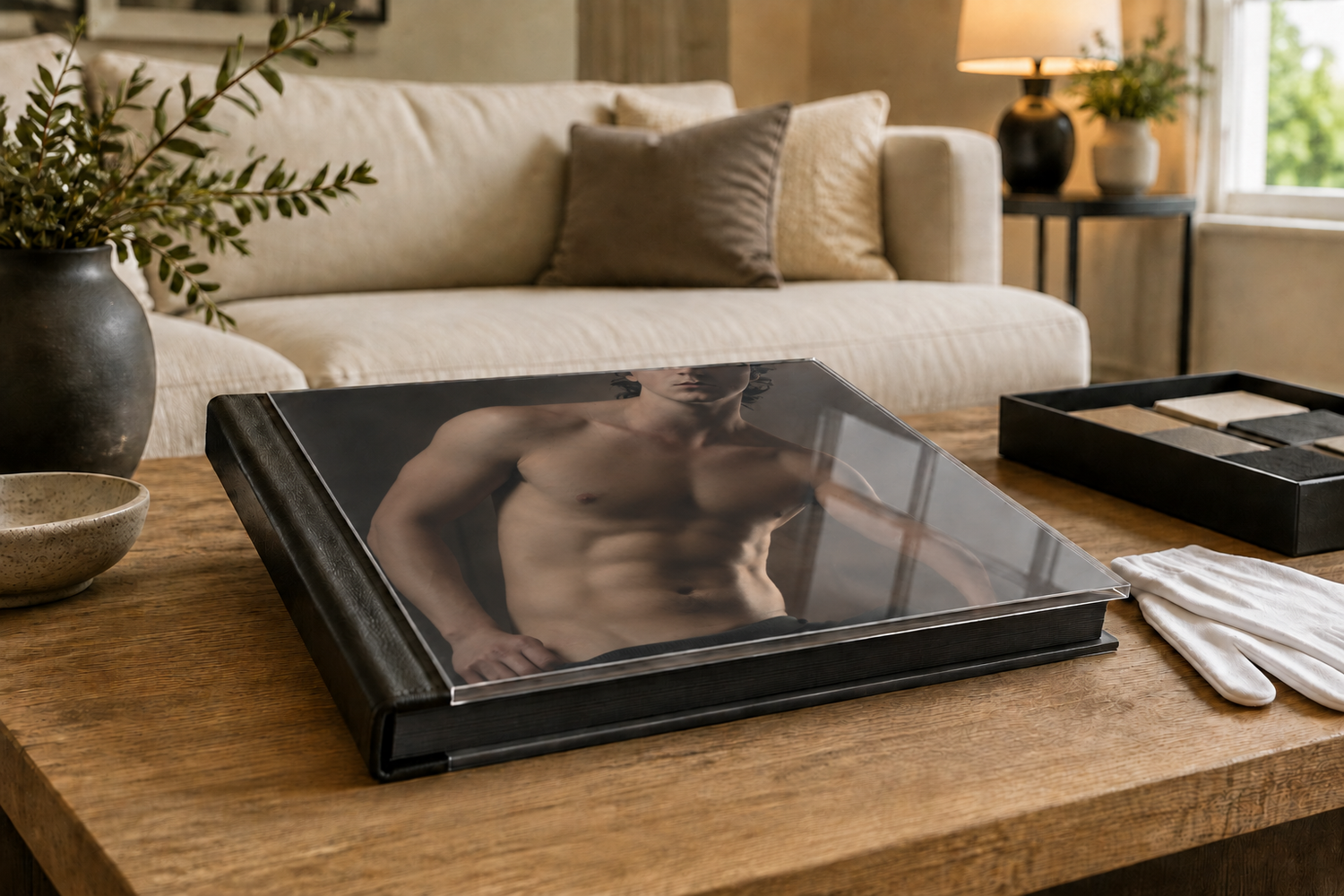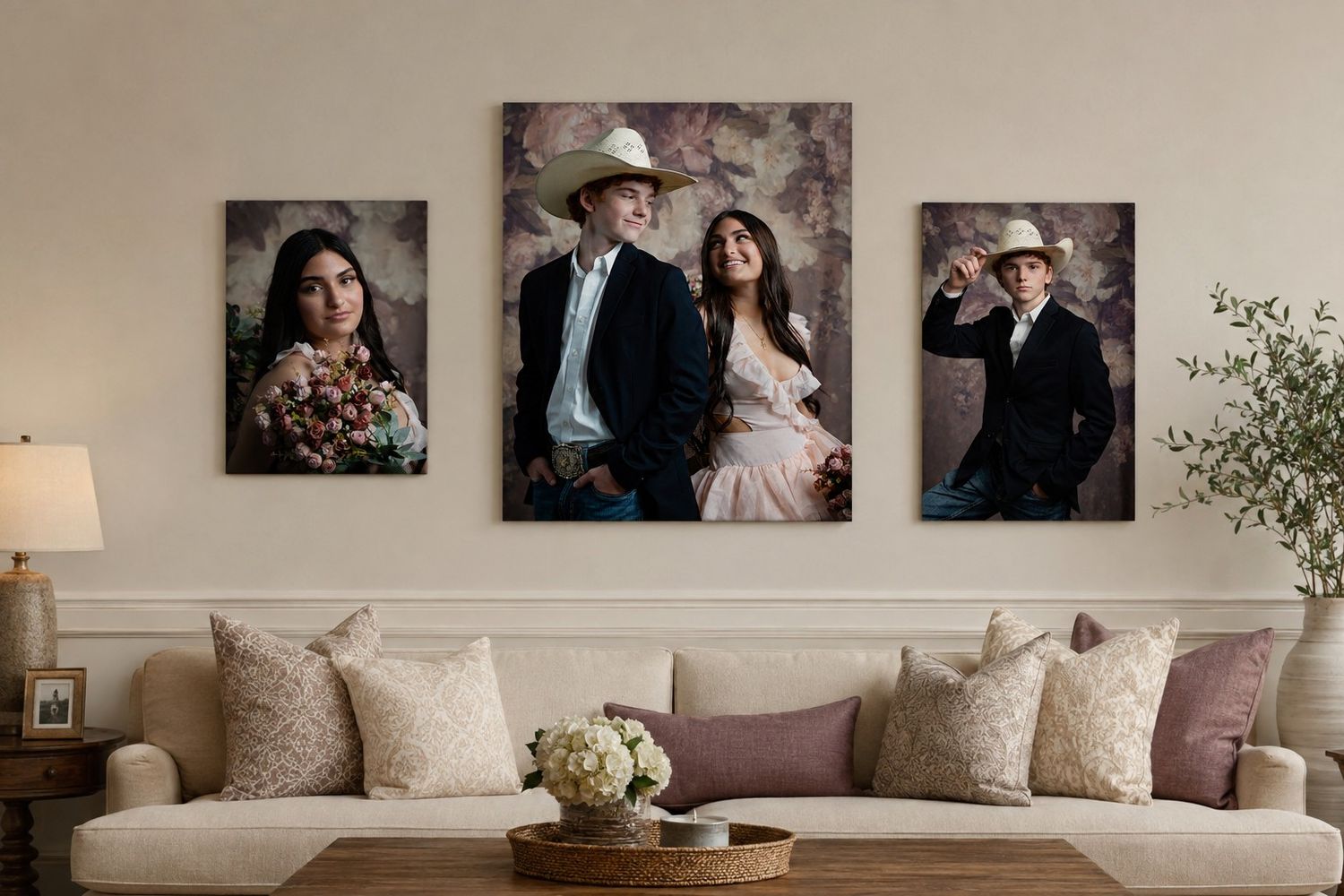
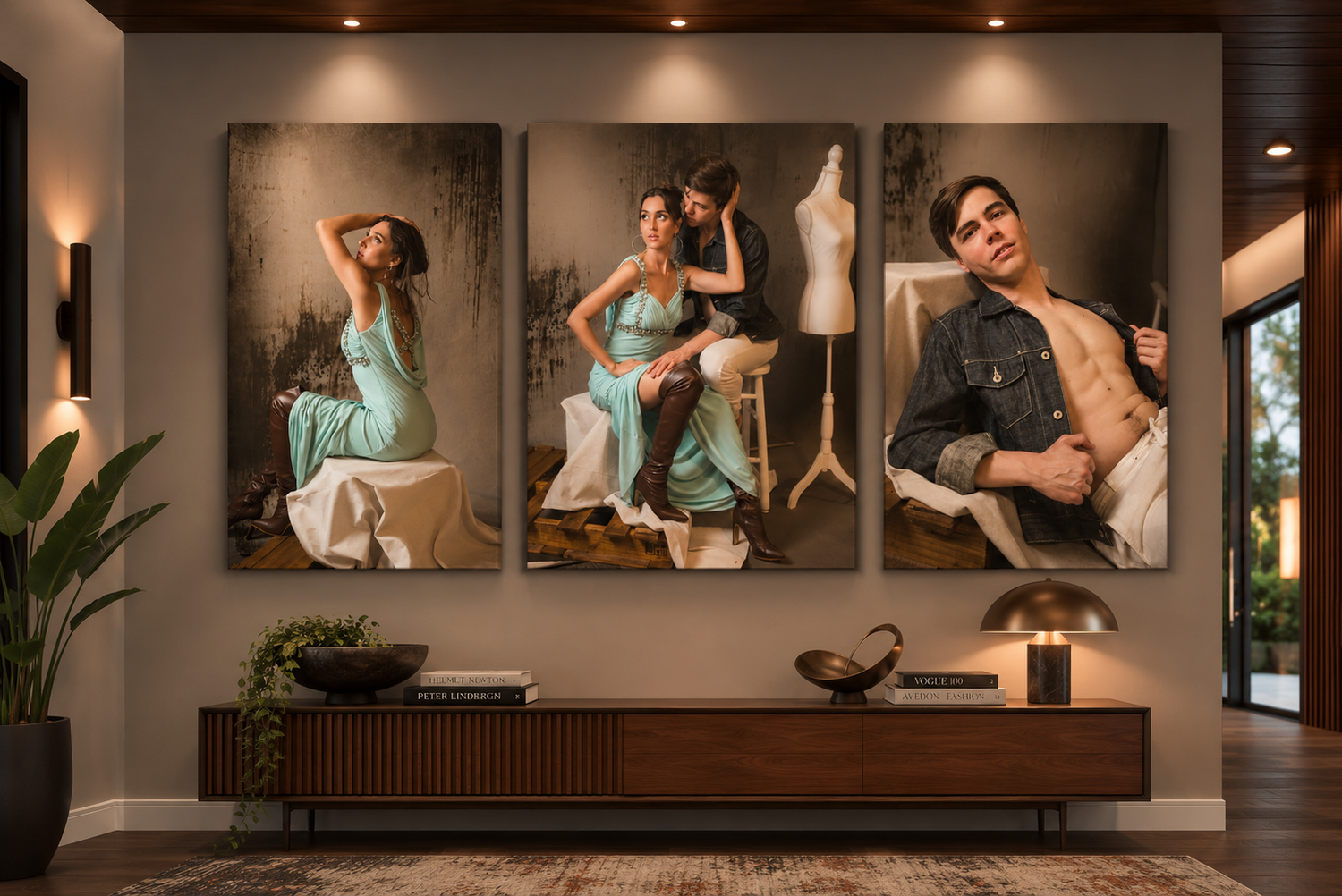
A photograph can live on a phone for years without ever becoming part of your life at home. Then it is printed large enough to hold a wall, and suddenly your daughter’s laughter, your wedding-day quiet, or the way your family fit together in this particular season has a place in the room where life continues.
That is the promise of canvas wall art. It takes an image beyond a file or a fleeting post and gives it dimension, presence, and permanence. Done well, it does more than fill an empty wall. It creates a visual reminder of the people, milestones, and versions of yourself worth returning to.
Why Canvas Wall Art Feels So Personal
Canvas has a softness that suits photographs with emotional weight. The woven surface diffuses glare, which makes it especially comfortable in rooms with changing natural light. Its matte, tactile finish also brings a sense of warmth that can feel at home in everything from a sun-filled family room to a calm, editorial bedroom.
Unlike a framed print behind glass, a gallery-wrapped canvas has no visible barrier between the viewer and the image. The photograph continues around the edges, giving it a sculptural quality without asking for ornate framing. For homes where the architecture and furnishings already carry plenty of detail, that simplicity can be the right choice.
It is not the best format for every photograph or every design preference. Fine details may appear crisper on metal or archival paper, and a highly modern, high-contrast space may call for the luminous finish of a metal print. But canvas excels when the goal is warmth, texture, and a gentle sense of intimacy. It lets a portrait feel like art while preserving the humanity at its center.
Start With the Story, Not the Wall
The most successful wall art begins with a question that has little to do with décor: what do you want to feel when you walk past it?
For a family, the answer may be belonging. A family portrait in the main living area can anchor the home in a way that no generic landscape can. It says, with quiet confidence, these are the people who make this place ours. For parents, it can also become a powerful record of a season that moved faster than expected - the missing baby teeth, the long-legged teenager, the familiar way a child leans into a parent’s shoulder.
For couples, a canvas may hold the energy of a wedding day, an anniversary session, or an ordinary afternoon that somehow reveals everything. The strongest choice is not always the most formal portrait. Often, it is the image with movement, eye contact, an unguarded smile, or the small gesture that feels unmistakably like the two of you.
Senior portraits deserve the same consideration. A thoughtfully chosen canvas can mark the threshold between childhood and the life a young person is beginning to claim. In a bedroom, study space, or hallway, it becomes an affirmation: you were becoming someone, and it was worth seeing.
For beauty, fitness, and boudoir portraits, artwork can be especially meaningful. Display does not have to mean public display. A private dressing room, bedroom, or personal studio can be an intentional place for an image that reflects strength, sensuality, recovery, joy, or self-recognition. The right portrait should feel dignified and entirely yours.
Choosing the Right Image for Canvas
Not every favorite image needs to become wall art, and that selectiveness is part of what makes a finished piece feel elevated. Look first for photographs with an immediate emotional pull. When you see it, do you pause? Do you remember how the moment felt? That response matters more than whether everyone is looking at the camera.
Composition matters, too. Images with clean visual structure generally translate beautifully at a larger size. A portrait with open space around the subject, an expansive landscape, or a scene with a clear focal point has room to breathe on a wall. Busy backgrounds can work, but they require more care. At a small size, visual clutter may disappear; enlarged, it can compete with the expression you most want to notice.
Consider the crop before you commit. A horizontal image often suits a sofa, bed, or dining-room sideboard. A vertical portrait can add elegance to a narrow wall, entryway, or space between windows. Square canvases work well for close, connected moments and can bring pleasing balance to a gallery arrangement.
Black and white deserves a thoughtful look here. It can make an image feel timeless and architectural, particularly in spaces with a restrained palette. Color, on the other hand, can carry the atmosphere of a location, the warmth of a sunset, or the personality of a wardrobe. Neither is inherently more sophisticated. The better choice is the one that protects the feeling of the image.
Let scale do the emotional work
The most common artwork mistake is choosing a canvas that is too small. A beautiful portrait placed alone above a large sofa can lose its impact if it reads more like a postcard than a focal point.
As a practical starting point, artwork above furniture should usually span roughly two-thirds to three-fourths of that furniture’s width. Above a standard sofa, that may mean one substantial canvas rather than several small pieces. Above a console table or dresser, a medium-to-large vertical portrait may be enough, depending on the shape of the room.
Before ordering, use painter’s tape or kraft paper to mark the dimensions on the wall. Live with the outline for a day or two. Notice it from the doorway, from the seating area, and in the evening light. This simple step often makes the right scale obvious.
Placing Canvas Wall Art With Intention
A canvas earns its place when it belongs to the rhythm of the home. In a living room, choose a portrait that invites conversation and connection. In a hallway, consider a sequence of smaller canvases that lets people move through a family story over time. A staircase can hold milestone images - engagement, wedding, newborn, senior year - without making the arrangement feel overly chronological or formal.
Bedrooms call for quieter imagery. A close family moment, a romantic portrait, or an image with a calm color palette can make the space feel more private and restorative. Offices and professional spaces benefit from portraits that convey confidence without feeling overly corporate. A personal branding image can be polished, but it should still look like a person with a point of view, not a stock version of success.
Hang the center of a single canvas at approximately eye level, often around 57 to 60 inches from the floor. When it hangs above furniture, leave enough connection between the two: usually six to 10 inches above the furniture is a comfortable range. Exact placement depends on ceiling height, furniture scale, and the piece itself, so trust the room rather than treating measurements as rigid rules.
Avoid placing canvas in direct, intense sunlight or in areas with persistent humidity. A bathroom with poor ventilation or a wall that receives hours of harsh afternoon sun may not offer the best long-term conditions. Thoughtful placement protects both the artwork and the memories it carries.
The Details That Make It Feel Finished
A premium canvas should look intentional from every angle. The image needs to be prepared for its final dimensions, with faces and meaningful details safely inside the crop. The wrapped edges should support the composition rather than awkwardly cutting through a hand, shoulder, or important part of the scene.
Color calibration and print craftsmanship matter as much as the original photograph. A screen can make an image appear brighter, cooler, or more saturated than it will look in print. Professional artwork design accounts for the material, ambient light, and the relationship between the finished piece and your space.
At ali almazar Photography, artwork guidance is part of the portrait experience because choosing what to display should not feel like a test of design knowledge. The goal is to help you recognize the images that will still matter after the novelty of a new gallery has faded.
You also do not need to make every image a statement piece. One hero canvas can carry a room, while smaller framed prints, an album, or a portfolio box preserve the surrounding chapters. This approach gives your favorite image room to be seen and keeps the rest of the story close.
The canvas on your wall will eventually become familiar. You may pass it while carrying laundry, setting the table, or rushing out the door. That familiarity is not a loss of magic. It is the point: a meaningful photograph should not wait for a special occasion to remind you that your life, your relationships, and your presence are already worth honoring.
Canvas Wall Art | Canvas Photo Prints | Framed Canvas Prints | Canvas Gallery Wraps | Portrait Wall Art | Heirloom Wall Art | Personal Artwork for the Home | Gallery Wall Ideas | Printed Family Photos | Senior Portrait Wall Art | Luxury Photography Products | Jefferson City Missouri Photographer | Mid-Missouri Portrait Photography | Custom Canvas Wall Art | Fine Art Canvas Prints | Floating Frame Canvas | Family Photo Display Ideas | Living Room Portrait Art | Meaningful Home Decor | Personalized Wall Art | Statement Family Portraits | Milestone Portrait Artwork | Heirloom Family Photography | Gallery-Ready Canvas | Jefferson City Family Photography