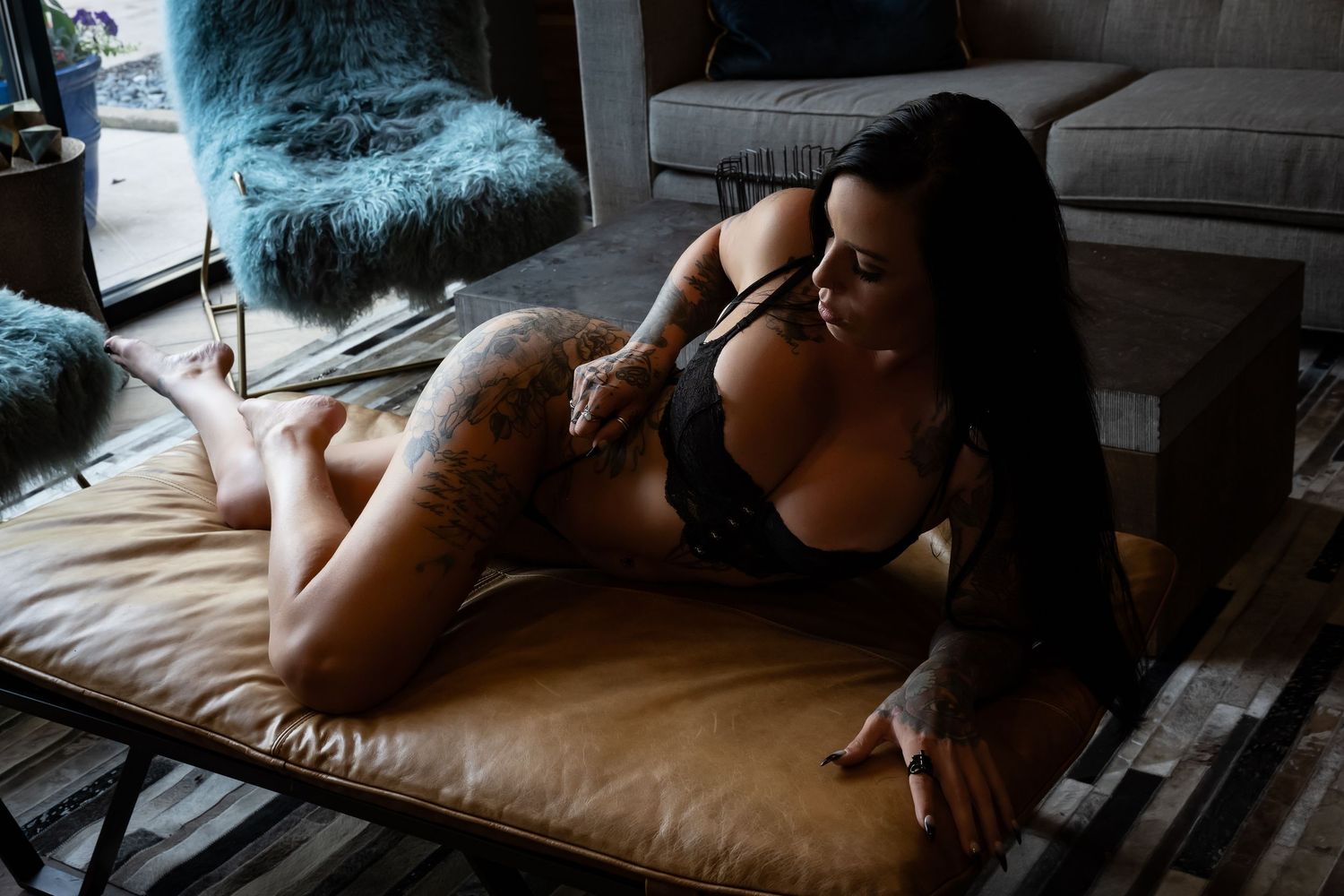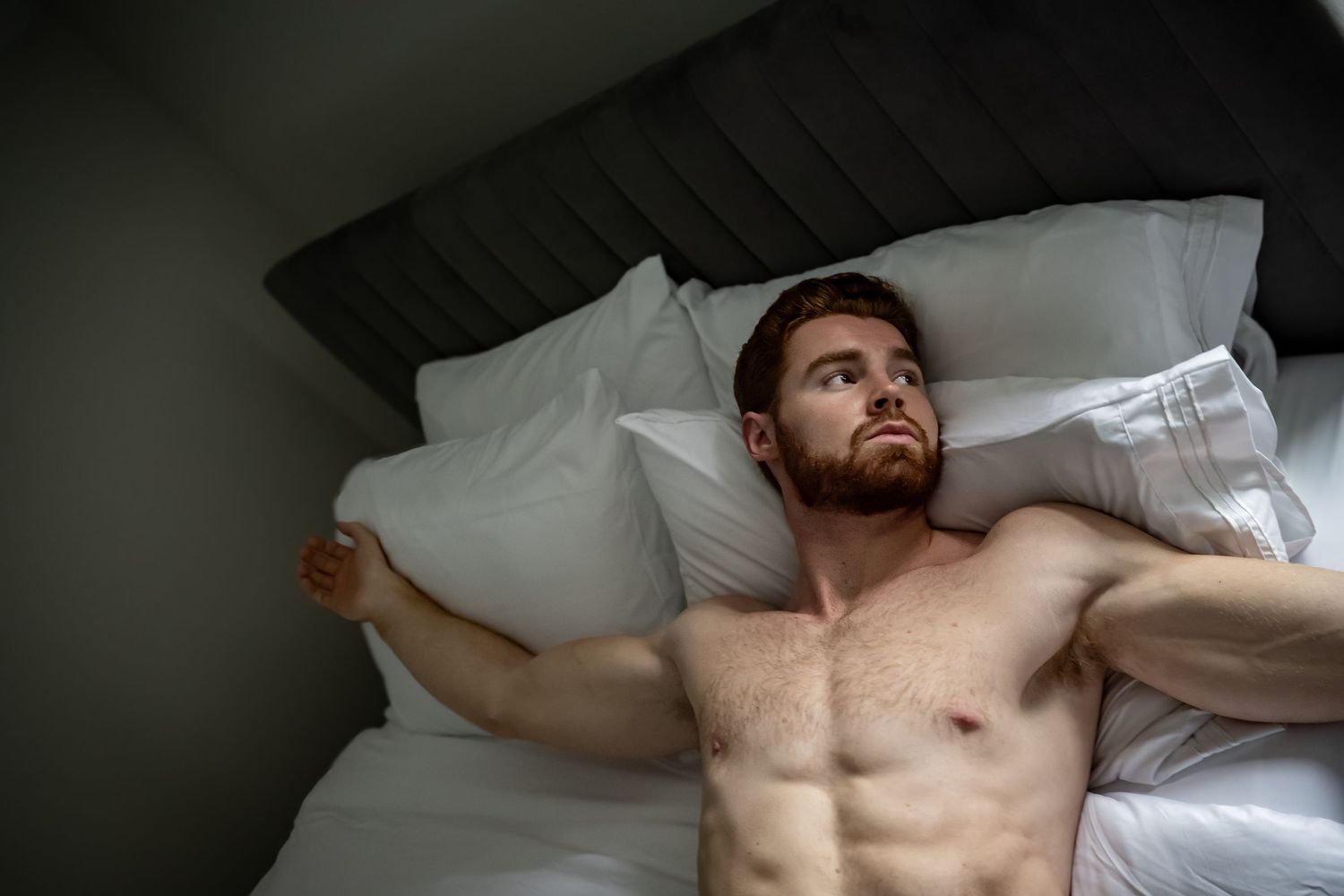
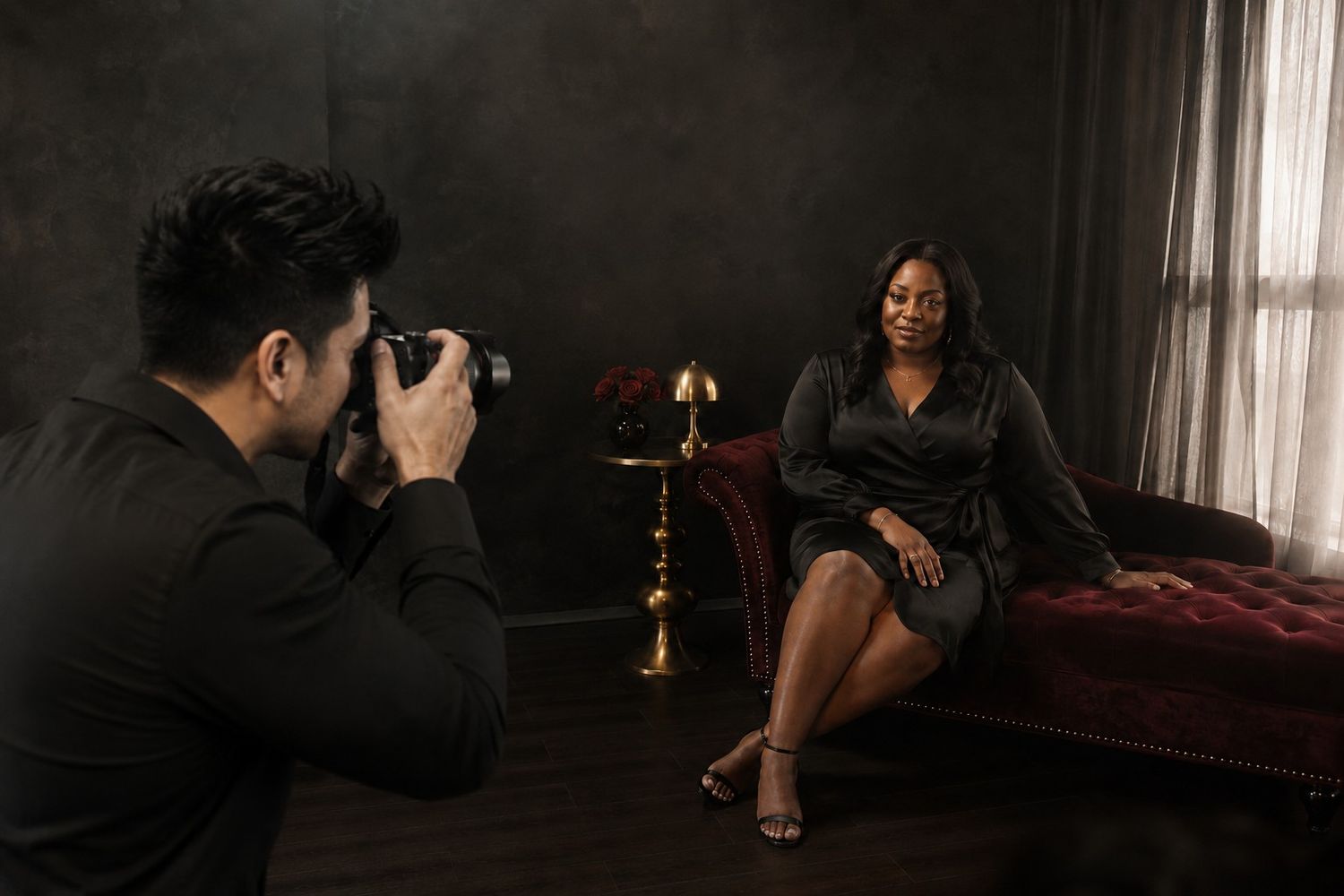
You should not have to arrive at a portrait session already confident to deserve beautiful photographs. A body positive boudoir photographer creates the conditions for confidence to emerge: a private space, thoughtful guidance, styling that feels like you, and a pace that honors your comfort. The result is not a version of you edited into someone else. It is an artful record of your presence, strength, softness, and self-expression.
Boudoir can mark a milestone, celebrate a relationship, honor the body that carried you through a demanding season, or simply make room for yourself in a life often spent caring for everyone else. Whatever brings you to the experience, the right photographer should make being seen feel dignified, personal, and surprisingly empowering.
What Body-Positive Boudoir Actually Means
Body positivity in boudoir is more than using inclusive language or photographing clients with different body types. It is a working philosophy. It means the session is not built around fixing, hiding, or earning the right to be photographed. Your body is not a problem to solve before the camera comes out.
That does not mean flattering direction disappears. Quite the opposite. Skilled direction is one of the most generous parts of a boudoir experience. Small adjustments to posture, hands, chin, light, wardrobe, and expression help create photographs that feel elevated and intentional. The difference is in the purpose: the goal is to celebrate your natural shape and energy, not make you feel as though you must look smaller, younger, or unlike yourself to be worthy of the image.
A truly affirming photographer also understands that comfort looks different for everyone. One person may feel powerful in a structured bodysuit and heels. Another may prefer an oversized shirt, bare feet, denim, a favorite sweater, or a simple implied portrait. Boudoir is not a costume requirement. It is an opportunity to choose how you want to be seen.
How to Choose a Body Positive Boudoir Photographer
The portfolio matters, but it is only the beginning. Look beyond whether the images are beautiful. Ask whether the people in them appear at ease, varied, and fully present. Do you see a range of body types, ages, skin tones, gender expressions, and personal styles? More importantly, do the photographs feel like each person, or do they all seem pressed into one narrow definition of sexy?
A polished editorial style can coexist beautifully with authenticity. In fact, it should. The best images feel refined without losing the humanity of the person in the frame. You want artistry that brings out your character, not a formula that erases it.
Pay Attention to the Language
Read how a photographer speaks about bodies, confidence, and retouching. Be cautious of messaging centered on “problem areas,” “looking thinner,” or transformation language that implies you need improvement. Those phrases may seem common in photography marketing, but they can shape the entire emotional tone of a session.
Instead, seek language that reflects choice, collaboration, privacy, and care. A photographer should be able to explain how they guide poses, what you can expect from retouching, and how they protect your images without making you feel difficult for asking.
Ask What Guidance Looks Like
Most people are not professional models, and you do not need to be. An experienced boudoir photographer provides clear, calm direction from the first frame onward. They demonstrate poses when helpful, give simple cues rather than vague instructions, and watch the details that make an image feel composed.
Ask how much direction is provided, whether there is support with wardrobe planning, and how the photographer handles moments when you feel nervous. There is a meaningful difference between being told to “just relax” and being gently coached through every transition. The latter makes room for real confidence because you are never left guessing what to do.
Understand Their Approach to Retouching
Retouching is personal, and there is no single right answer. You may want a temporary blemish softened, a bruise removed, or a distracting tag edited away. You may also want your freckles, scars, stretch marks, texture, and natural contours left visible. A body-positive experience leaves room for your preferences.
Look for a photographer who treats retouching as refinement rather than revision. The final image can be polished while still feeling recognizably yours. Before booking, have a direct conversation about what is typically edited and what choices are available to you. Clarity early on prevents disappointment later.
The Experience Should Feel Private and Collaborative
Luxury is not only found in beautiful final products. It is felt in the way an experience is held. From the first consultation, you should feel listened to rather than sold to. Your photographer should ask what you are celebrating, what makes you feel most like yourself, and what boundaries will help you relax.
That might include discussing outfit coverage, music, privacy, a preferred side, or poses you would rather avoid. It may mean beginning in a more covered look and building toward something bolder only if it feels right. There is no prize for pushing past your comfort zone. The strongest portraits are often made when a client feels safe enough to be genuinely present.
At unButtoned x ali almazar Photography, that care is paired with an editorial eye. The session is designed around confidence and self-expression, with intentional styling and fully guided posing that allows the person in front of the camera to settle into the moment. The photographs are meant to feel like art, but the experience begins with being treated as a whole person.
Choose Images You Will Want to Keep
Boudoir photographs do not have to live quietly in a forgotten digital folder. For some people, they become a private keepsake. For others, a framed portrait, folio box, or fine-art print becomes a daily reminder of a season when they chose to take up space.
Consider what you want the images to mean after the rush of the session has passed. A digital gallery offers flexibility, while tangible artwork can make the experience feel more permanent and personal. Neither choice is more valid. It depends on your privacy needs, your home, and the story you want these photographs to carry forward.
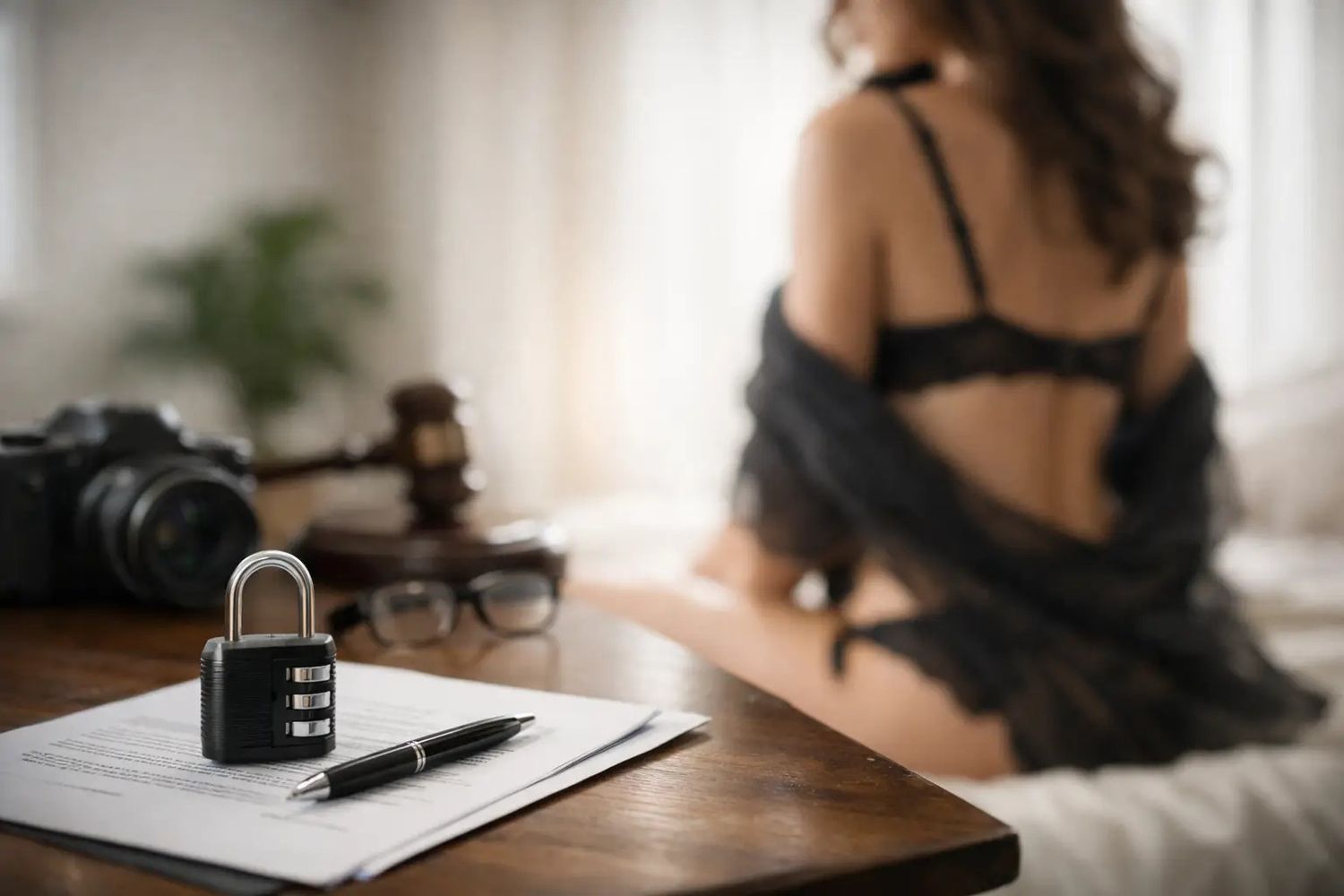
The same consideration applies to sharing. You may create the images solely for yourself, as a gift for a partner, or as a declaration that does not need anyone else’s approval. You remain in control of where they are seen and who gets access. A professional photographer should make image-use policies clear and respect your answer without pressure.
Arrive as You Are
It is understandable to want to postpone a boudoir session until you have more time, a different body, clearer skin, or a little more confidence. But those conditions have a way of moving further away. Life changes. Bodies change. The moment you are living now is still yours.
Choose a photographer whose work makes you feel respected before you ever step in front of the camera. Ask the honest questions. Wear what lets you breathe. Let yourself be guided. The most meaningful boudoir portraits rarely come from perfection. They come from the quiet, courageous decision to let yourself be seen with care.