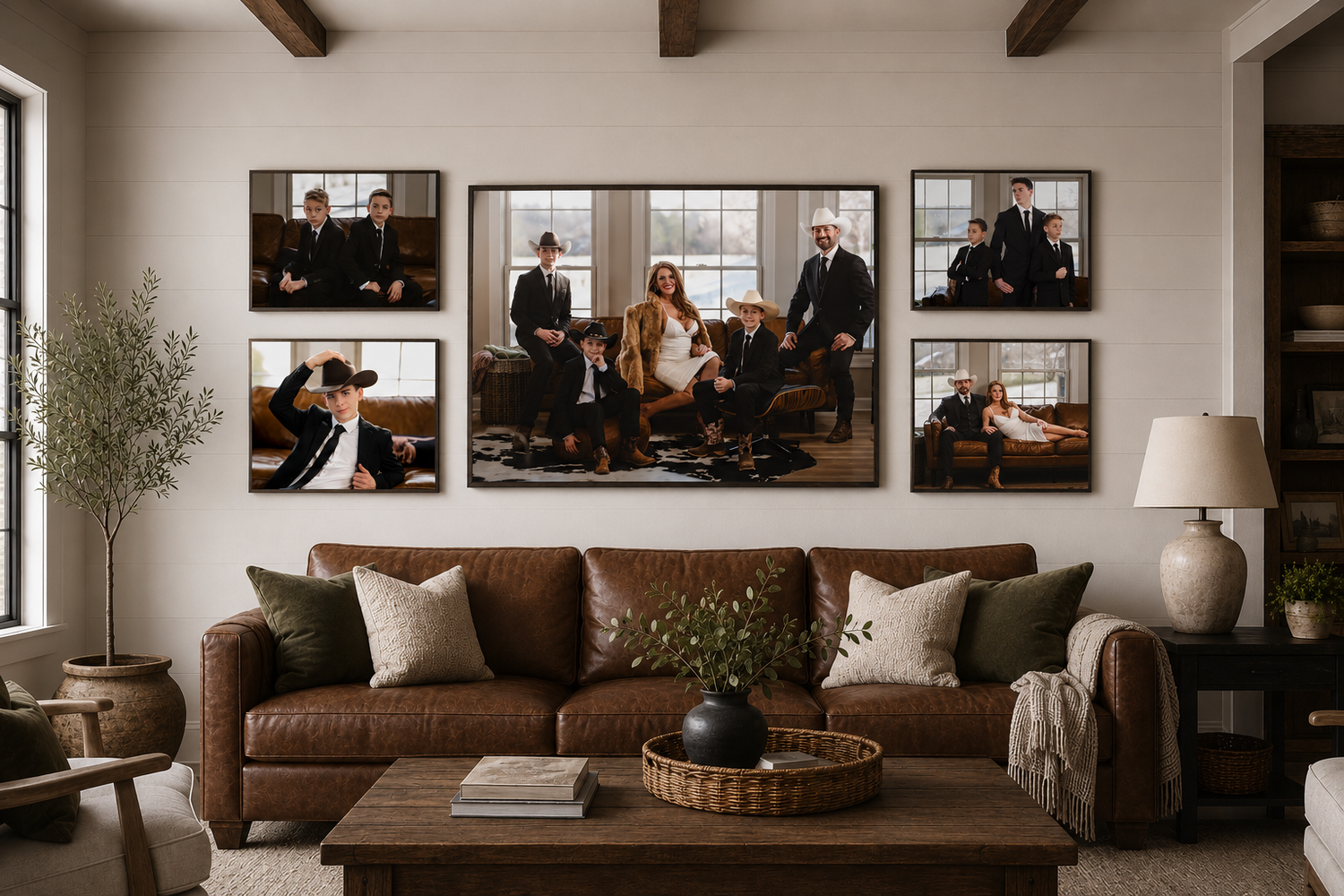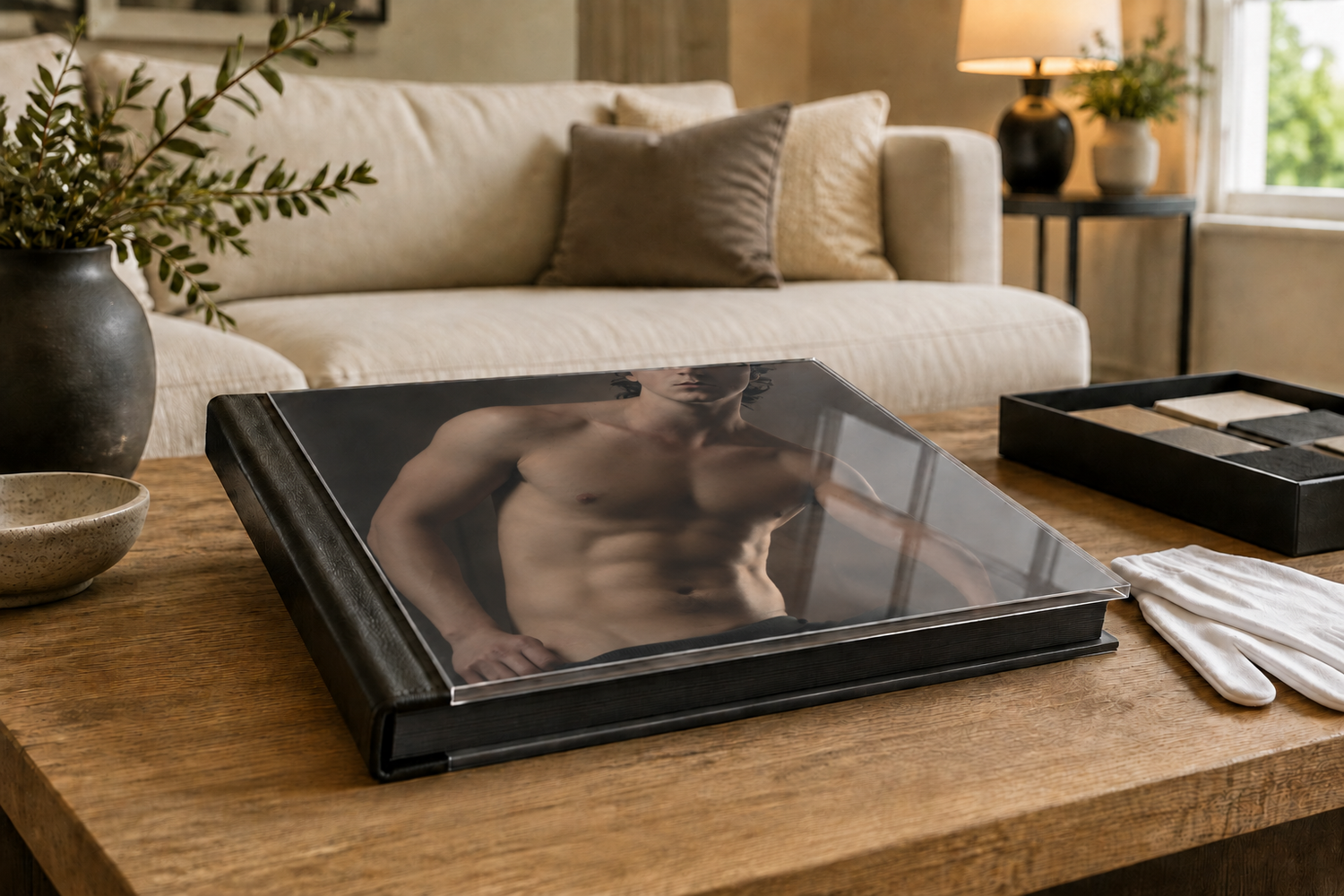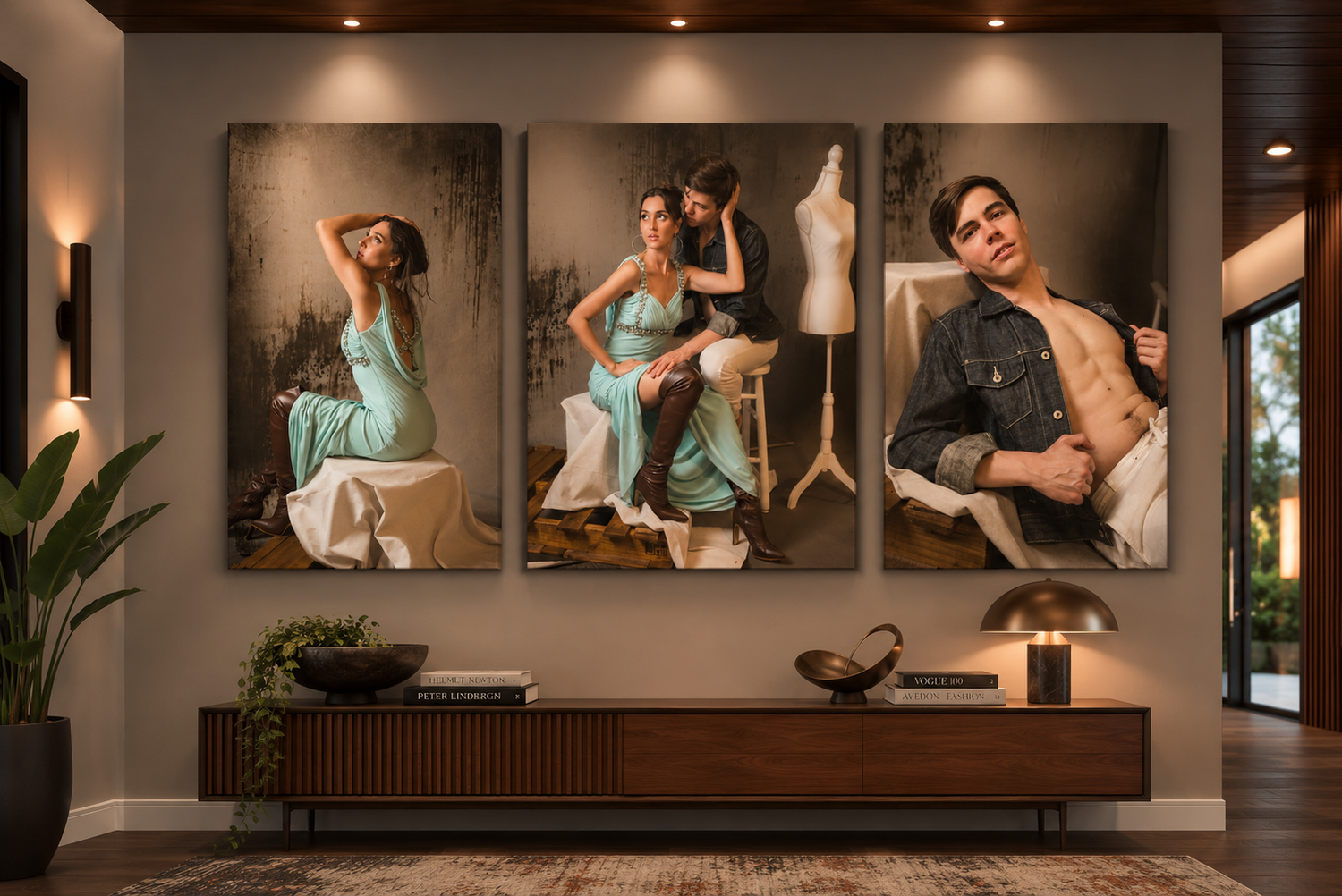
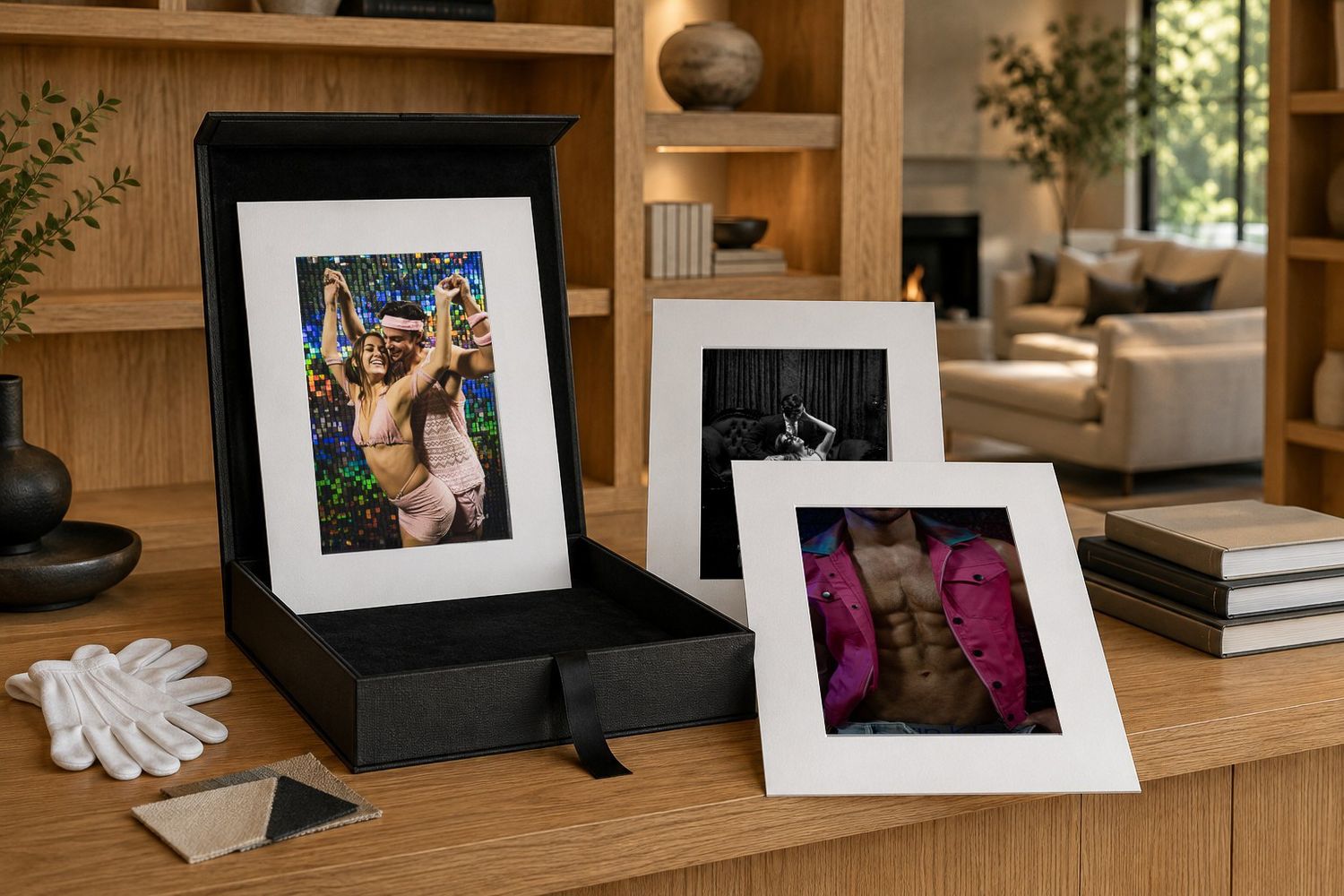
A favorite portrait deserves more than a moment on a screen. It deserves the quiet pleasure of being held, revisited, and passed across a table to someone who remembers exactly how that season felt. This fine art portfolio box (folio box) guide is for anyone who wants their photographs to live as art: beautifully finished, thoughtfully protected, and deeply personal.
A folio box is not simply a place to store prints. At its best, it becomes a private gallery of the people, milestones, and versions of yourself worth keeping close. For a parent, it may hold the expressions that changed between childhood and graduation. For a newly married couple, it can preserve the tenderness and energy of a wedding day without limiting the story to a single framed image. For a portrait or boudoir client, it can be a meaningful reminder of confidence, presence, and self-recognition.
What Is a Fine Art Folio Box?
A fine art folio box is a handcrafted presentation box designed to hold a curated collection of individual photographic prints. Rather than binding images into an album, it gives each portrait room to stand on its own. You can remove a print, place it in a frame, share it with family, or return it to the box whenever you want the collection intact.
That flexibility is part of its appeal. An album tells a story in a fixed sequence, which can be ideal for a wedding day or a narrative-heavy family session. A portfolio box feels more open and tactile. It invites you to linger on one image, rearrange the collection, and change what is displayed in your home as the seasons change.
The experience should feel intentional from the first touch: a substantial box, carefully selected print paper, rich color, and portraits that carry the dimension and detail a phone screen cannot offer. It is an object made for living spaces and real hands, not a file folder with a prettier name.
Why Printed Portraits Carry a Different Kind of Meaning
Digital images are useful. They make sharing easy, preserve backups, and let you revisit a photograph from almost anywhere. But abundance can make even beautiful photographs feel temporary. When hundreds of images sit beside grocery lists, screenshots, and unread messages, the portraits that matter most can disappear into the scroll.
A printed collection asks something gentler of you: pause. Notice the light on your daughter’s face, the way your partner looked at you, the ease in your own expression when you finally stopped trying to perform for the camera. A fine art portfolio box creates a home for those details.
It is also an elegant choice for people who do not want every cherished image permanently committed to a wall. Some portraits feel intimate. Some deserve to be shared selectively. Some are too meaningful to be stored away but too personal for a public display. A portfolio box offers privacy without hiding the work away.
Choosing the Right Fine Art Folio Box
The right box depends less on a trend and more on how you want to experience your images years from now. Begin with the photographs themselves. A black-and-white family portrait, an editorial senior session, a warm autumn engagement session, and a bold beauty portrait can all belong in a portfolio box, but the materials and presentation should support the feeling of the work.
Consider scale before quantity
Larger prints create a stronger visual presence and give images space to breathe. They are especially beautiful for portraits with expressive styling, layered scenery, or emotional close-ups. Smaller prints can suit a more expansive story, such as a wedding collection or a session with several family groupings.
More prints are not automatically better. A refined collection often benefits from restraint. Choose enough images to hold the full emotional range of the session, but not so many that the strongest portraits lose their impact. For many clients, this means selecting the images they would genuinely want to return to, rather than every image that is technically beautiful.
Let the finish support your home and style
The box itself is part of the artwork. Linen, leather, wood, and other elevated finishes each create a different impression. A soft, neutral material can feel timeless in a calm, layered home. A darker or more dramatic finish may complement a modern interior or a collection of expressive, fashion-forward portraits.
There is no universal best choice. The most successful option feels connected to your taste, your photographs, and the way you live. If your home changes over time, a classic finish is often the safest long-term choice. If the box is meant to commemorate a particularly bold chapter, choosing something more distinctive can feel exactly right.
Ask how the prints are made
Fine art is not only about the box exterior. Print quality shapes what you see and what lasts. Look for archival-quality papers and inks, thoughtful color calibration, and a finish that flatters skin tones and preserves detail in highlights and shadows.
Matting can add a gallery-like presentation and keep the print surface protected when images are stacked. Unmatted prints offer a more immediate, contemporary feel and can make it easier to rotate pieces into frames. Neither is inherently superior. The decision comes down to whether you want the collection to feel more formal and finished, or more flexible and approachable.
Curating a Collection That Feels Like Your Story
The most memorable folio boxes do not attempt to document every second. They preserve the emotional shape of a season.
Start with the anchor images: the portrait that makes you stop, the image that feels unmistakably like your family, or the frame where you recognize a version of yourself you want to remember. Then build around it with variation. Include a wider image that establishes place, a close portrait that carries emotion, an unguarded moment, and a detail that might mean more with time than it does today.
For a family collection, that might include the children together, each child as they are now, a parent-child connection, and the beautifully imperfect in-between laughter. For seniors, balance the statement portrait with the quieter image that reveals personality. For weddings, make room for both the grandeur and the tenderness: the room before guests arrive, a hand held tightly, a parent’s expression, the joy after the ceremony. For confidence-centered portraiture, allow the collection to hold both strength and softness. You do not have to choose one version of yourself.
Try not to select only the images that feel safest. The portrait that moves you most may be the one where your smile is relaxed, your eyes are direct, or the people you love are not perfectly posed. That is often where the truth of the session lives.
Display Without Committing Every Image to a Frame
One of the quiet luxuries of a folio box is the freedom to rotate artwork. Keep the full collection protected in its box, then choose one or two prints to display in a favorite frame. Change them for a new season, a birthday, an anniversary, or simply because a different image is calling to you.
This approach works especially well in homes where you want artwork to feel considered rather than crowded. A single large portrait on a console or bedroom wall can carry more presence than a dozen small images competing for attention. The rest of the story remains close by, ready to be rediscovered.
If you are giving a folio box as a gift, think about the recipient’s relationship to the images. Grandparents often treasure a collection they can hold and show friends. A spouse may appreciate photographs that recall a chapter the two of you built together. A graduate may not yet understand how meaningful those senior portraits will become, but they will.
Caring for a Folio Box and Its Prints
Fine art prints are made to be enjoyed, not treated as untouchable artifacts. Still, a little care protects their beauty for decades. Store the box in a dry, climate-controlled part of your home, away from prolonged direct sunlight, moisture, and extreme temperature changes. Avoid attics, garages, and damp basements.
When handling prints, clean and dry hands are usually enough. Hold images by the edges, and lay them on a clean, smooth surface if you are looking through the collection. Keep food, drinks, and adhesive materials away from the prints. If you choose to frame an image, use quality framing materials and avoid placing the piece where harsh sunlight falls on it day after day.
A folio box is an investment in more than preservation. It is an invitation to make your photographs part of family life. Bring it out after dinner. Let your children see the images that show how loved they were. Revisit it on an anniversary, before a child leaves for college, or on an ordinary afternoon when you need to remember what is already yours.
The finest portrait collections are not the ones kept perfectly hidden. They are the ones cared for well enough to be opened, shared, and felt again.
Fine Art Portfolio Box | Folio Box | Photography Folio Box | Matted Prints | Fine Art Portrait Prints | Heirloom Photography | Printed Portraits | Portrait Keepsakes | Luxury Photography Products | Family Portrait Artwork | Boudoir Portrait Artwork | Jefferson City Missouri Photography | Luxury Folio Box | Portrait Print Box | Keepsake Photo Box | Museum-Quality Prints | Gallery-Ready Prints | Professional Photo Prints | Tangible Photography | Photo Heirlooms | Senior Portrait Prints | Wedding Portrait Keepsakes | Mid-Missouri Portrait Photography | Jefferson City Fine Art Photography