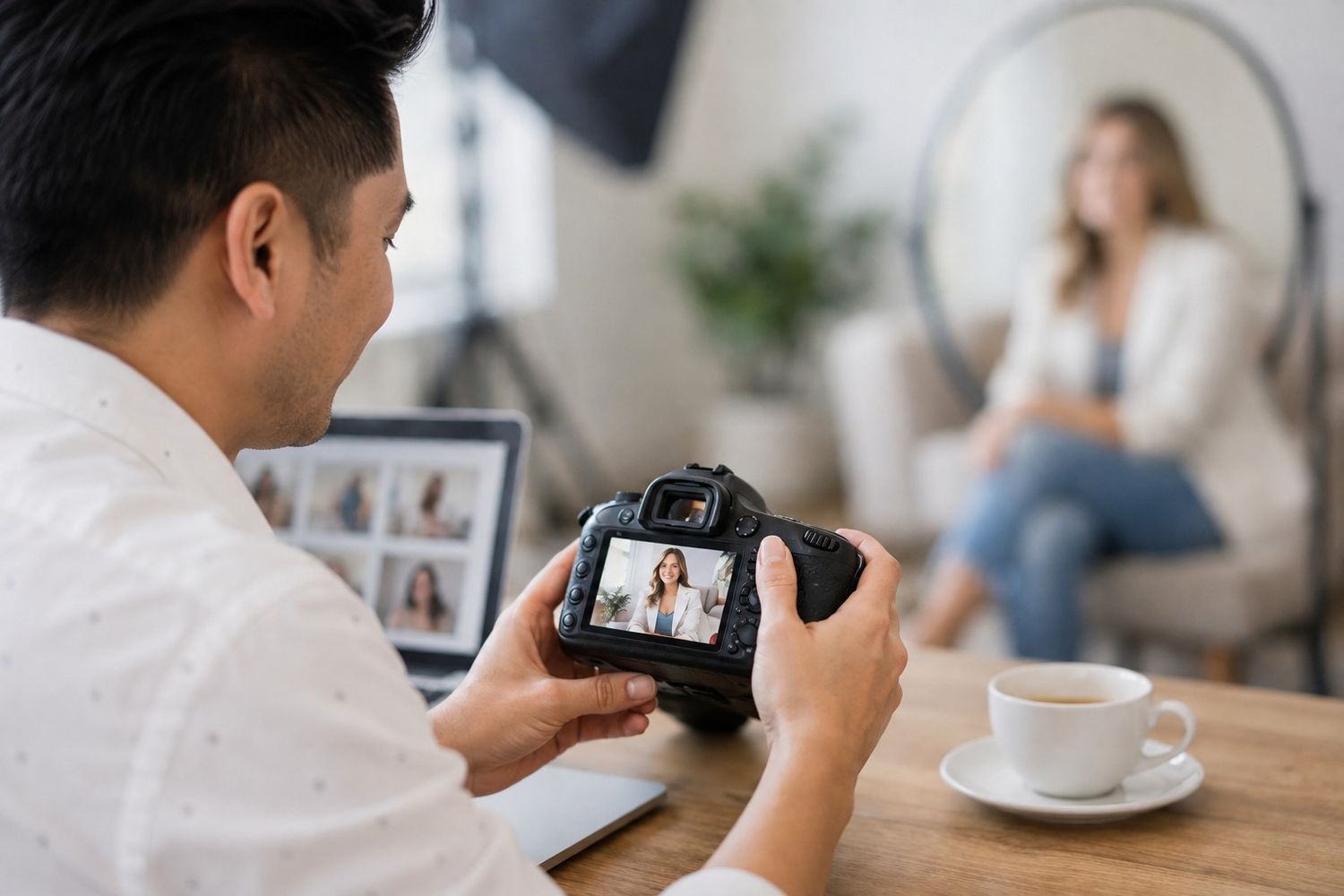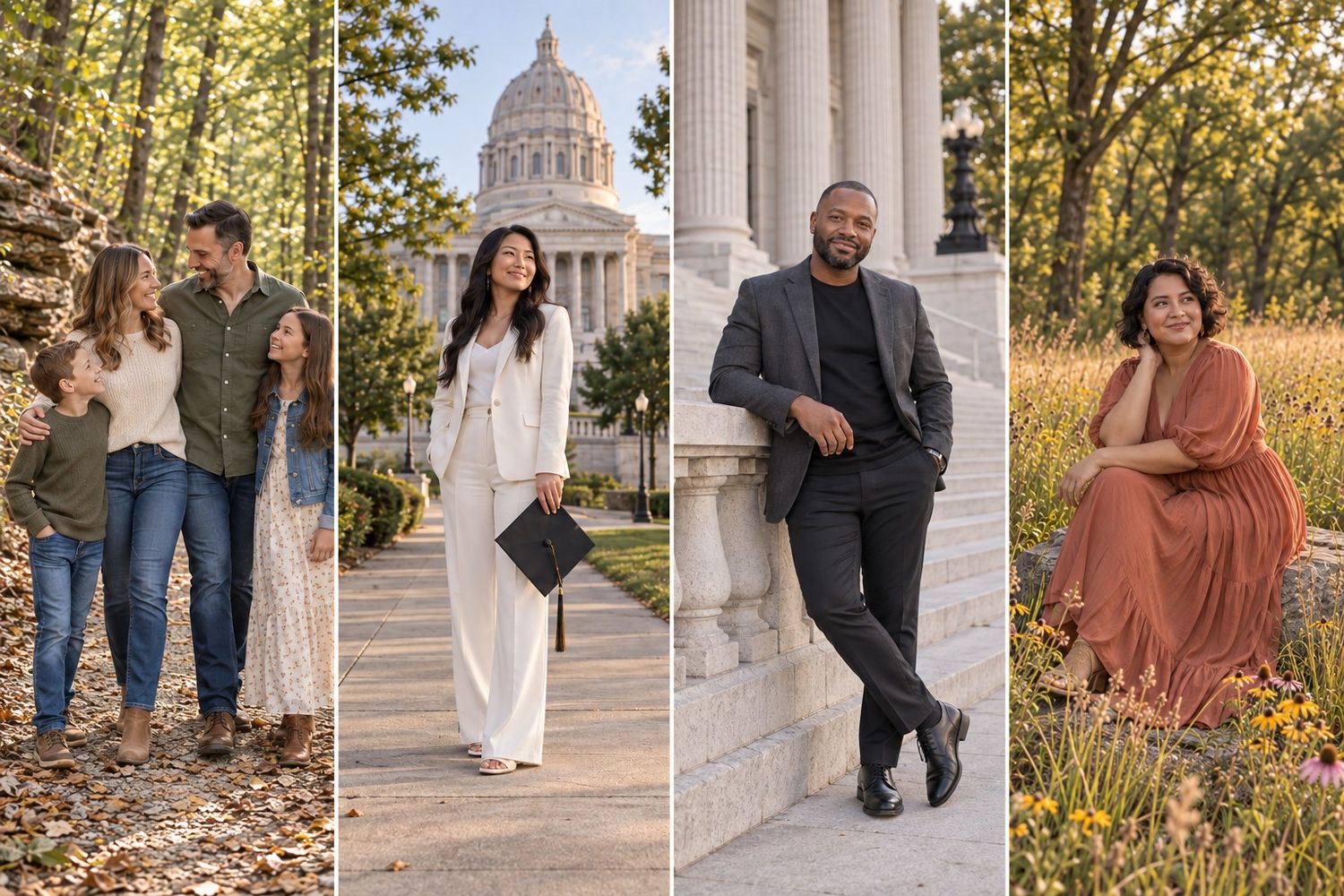

A headshot may be the first moment someone meets you, long before a handshake, a conversation, or the chance to explain what you do. For professionals across Mid-Missouri, professional headshots Missouri clients can feel proud to share are not about looking overly posed or becoming someone else. They are about making your presence visible: capable, approachable, polished, and unmistakably your own.
The image on your website, LinkedIn profile, speaker bio, business card, or company announcement carries a quiet message. It tells people whether you take your work seriously, whether you are ready for the opportunity in front of you, and whether they can imagine working with you. A thoughtful portrait gives that message the care it deserves.
Why a Professional Headshot Is More Than a Nice Photo
There is a meaningful difference between a cropped group photo, a quick phone portrait, and an image created with intention. A strong headshot considers more than whether you are smiling at the camera. It considers how you want to be received.
A financial advisor may need to communicate steadiness and warmth. A creative director may want an image with more personality and editorial edge. A physician, attorney, real estate professional, nonprofit leader, entrepreneur, or job seeker may need to balance authority with openness. The right portrait is never one-size-fits-all because the people viewing it are responding to more than your clothing or background. They are responding to the feeling of the image.
That is why polished headshots are a worthwhile investment at moments of movement: launching a business, stepping into leadership, pursuing a new role, receiving an award, joining a board, or finally giving your personal brand the attention it has earned. Your work evolves. Your portrait should be allowed to evolve with it.
Professional Headshots in Missouri Should Reflect Your Work
The most effective professional portraits begin with a simple question: where will this image live? A headshot for a corporate directory often calls for a clean, consistent look. A portrait for an attorney's practice, a consultant's website, or a leadership bio may benefit from a more considered environment and a little more visual depth.
For business owners and personal brands, a single close-up is often only the beginning. A cohesive collection can include a classic head-and-shoulders portrait, relaxed seated images, standing portraits, detail shots, and images of you in your workspace or a setting that complements your work. These photographs create flexibility for websites, media features, social platforms, presentations, and future announcements without forcing one image to do every job.
There is a trade-off to consider. The simplest studio headshot is efficient and timeless, particularly when you need one excellent image quickly. A broader branding session takes more planning, but it gives your business a visual language rather than a single profile photo. Neither choice is inherently better. It depends on the story you need your images to tell and how often your audience sees you online.
The Goal Is Recognition, Not Reinvention
Many people arrive for a headshot session with a familiar concern: “I am not photogenic.” Usually, that phrase means they have been photographed without enough time, direction, or care. It may also mean they have only seen themselves in hurried snapshots that do not reflect how they feel when they are confident and fully present.
A well-directed session is not a test of whether you know how to pose. It is a guided experience. Small adjustments in posture, chin placement, hands, expression, and pacing can change an image entirely. So can an honest conversation before the camera comes out about what makes you feel most like yourself.
You should still look like the person who arrives at the meeting, walks into the office, or greets the client. The best portrait does not erase character in pursuit of perfection. It makes room for it.
What to Wear for a Headshot That Lasts
Your wardrobe should support the impression you want to make, not compete for attention. Solid colors, refined textures, and well-fitted pieces tend to photograph beautifully because they keep the focus on your expression. A tailored jacket, a simple dress, a favorite blouse, or a polished knit can all work when they feel natural to you.
For a more traditional business image, consider elevated neutrals or colors that complement your skin tone and brand palette. If your work is expressive or client-facing in a creative field, a bolder color or distinctive accessory may feel appropriate. The key is intention. You want people to notice your presence first and your outfit second.
Avoid choosing something solely because it seems “professional” if it makes you feel restricted or unlike yourself. Confidence reads clearly in photographs. So does discomfort. Bring options if you are unsure, especially when creating images for several uses. A second jacket, an alternate top, or a change in jewelry can create variety without changing the overall visual story.
Prepare for Ease, Not Perfection
The most useful preparation is practical and kind. Get enough rest if you can. Give yourself time to arrive without rushing. Choose grooming that makes you feel cared for, whether that means a fresh haircut, professional makeup, a clean shave, or simply taking a few extra minutes with your usual routine.
If makeup is part of your everyday presentation, a camera-ready version can help create a polished finish while still looking like you. If it is not, there is no need to wear more than feels authentic. The same is true for retouching. A finished image can be refined without removing the features and expressions that make it yours.
It also helps to set aside the pressure to perform. You do not need a practiced smile or a collection of poses. You only need to show up ready to be guided.
The Details That Make an Image Feel Elevated
An elevated headshot has less to do with elaborate production than with thoughtful choices. Light should flatter rather than flatten. The setting should suit your industry without feeling distracting. The final image should be edited with restraint, preserving texture, expression, and the natural quality of your skin.
This is where a custom experience matters. A session should have room for conversation, adjustment, and genuine connection. Rushing through a few frames may produce a usable image, but it rarely produces the portrait that makes you pause and think, “Yes, that is me.”
At ali almazar Photography, professional portraits are approached with the same care given to every meaningful life chapter: a considered experience, guided styling and direction, and imagery designed to carry confidence forward. Whether you need one refined headshot or a fuller set of branding portraits, the process should feel personal from the first conversation through the final selection.
When It Is Time to Update Your Headshot
A headshot does not need to change every year just because a calendar page turns. But it should be current enough that someone recognizes you immediately. If your appearance, role, industry, or brand has shifted, your portrait may no longer be representing the person you are now.
It is also worth updating when your existing photo was chosen out of convenience rather than confidence. If you avoid sending it, crop it awkwardly for every platform, or feel a little disconnected when you see it, that is useful information. Your professional image should not feel like an apology.
A new portrait can mark a transition, but it can also honor a decision to be more visible in the work you already do. You have earned the right to be seen with clarity, warmth, and intention. Choose an image that lets people meet you there.