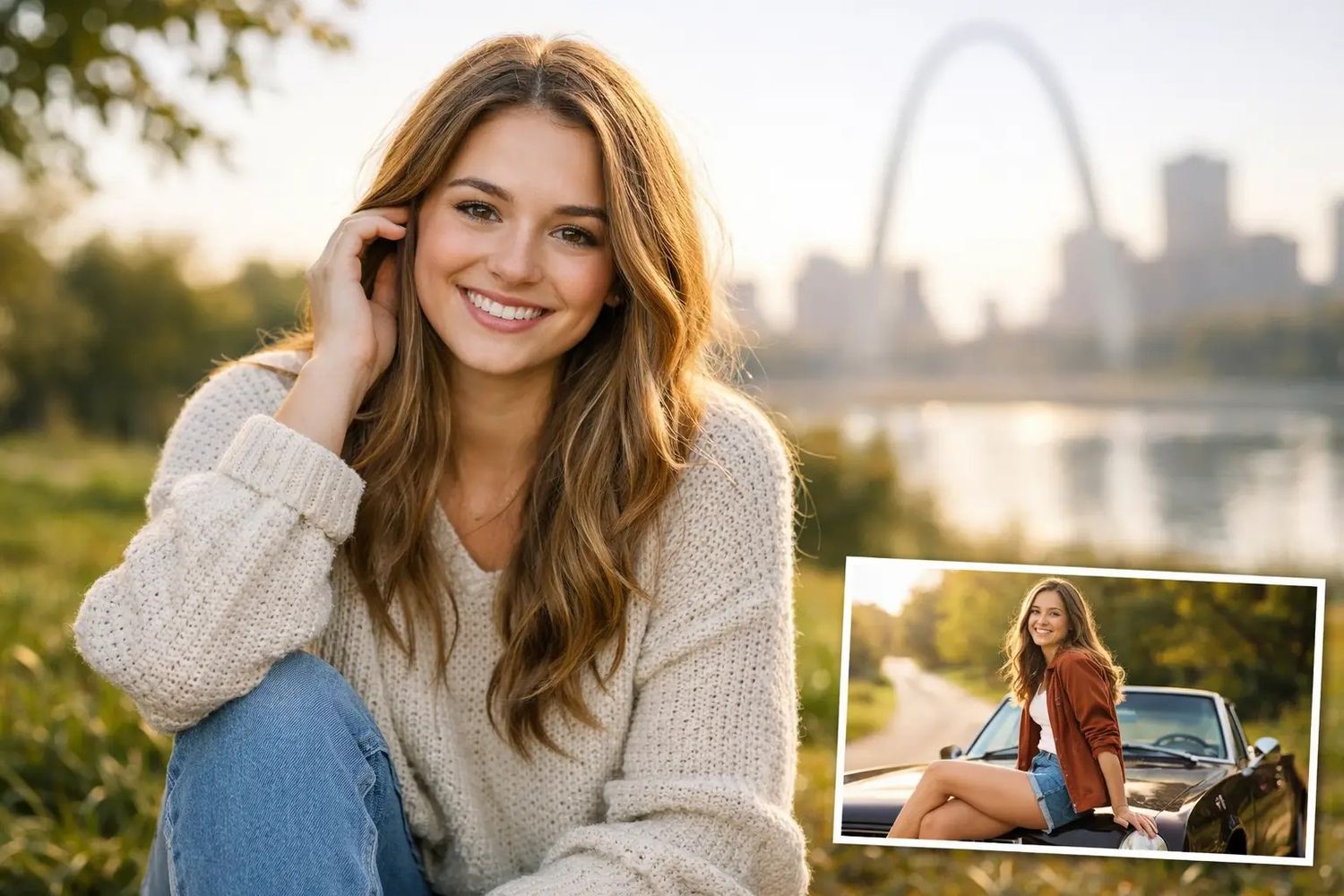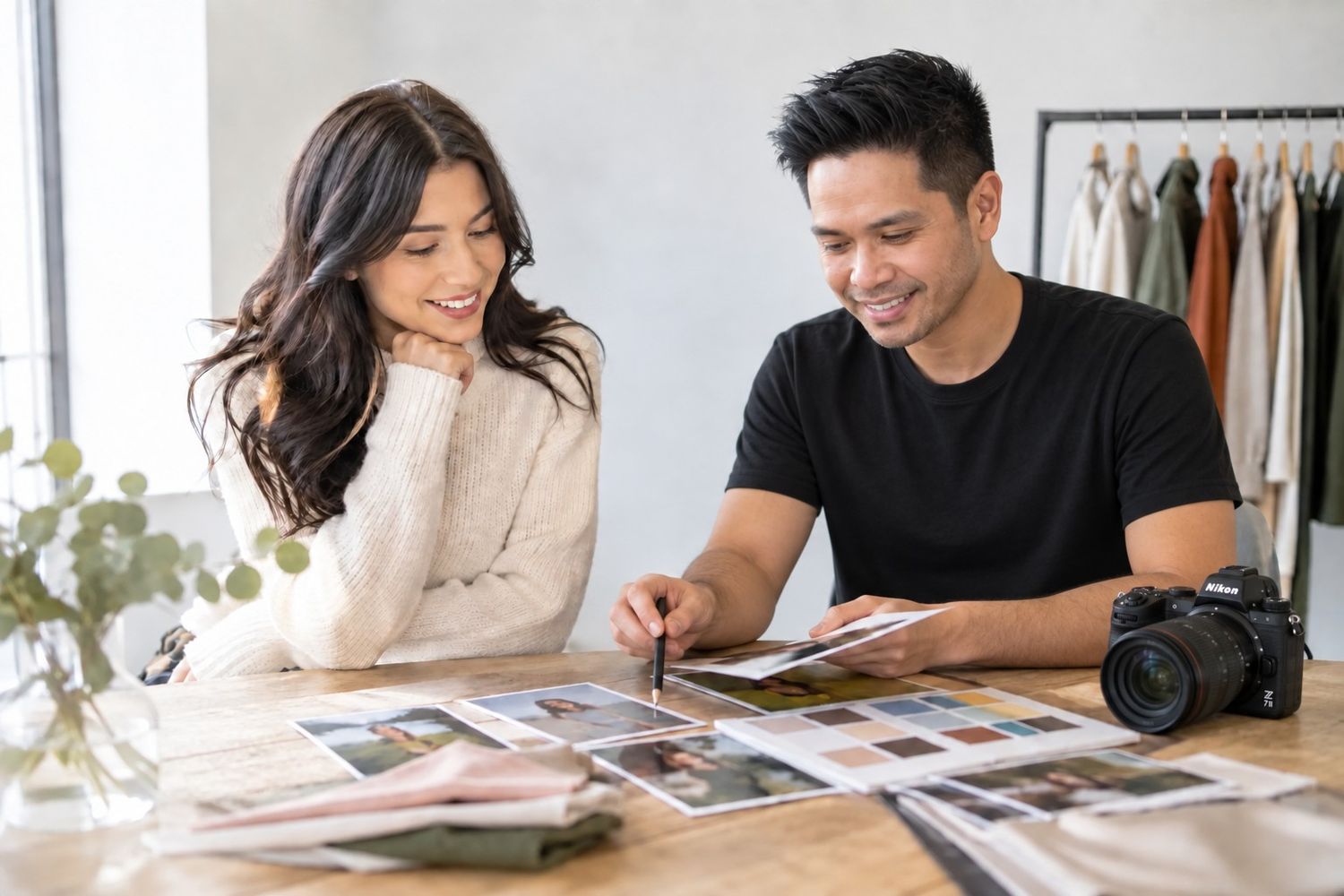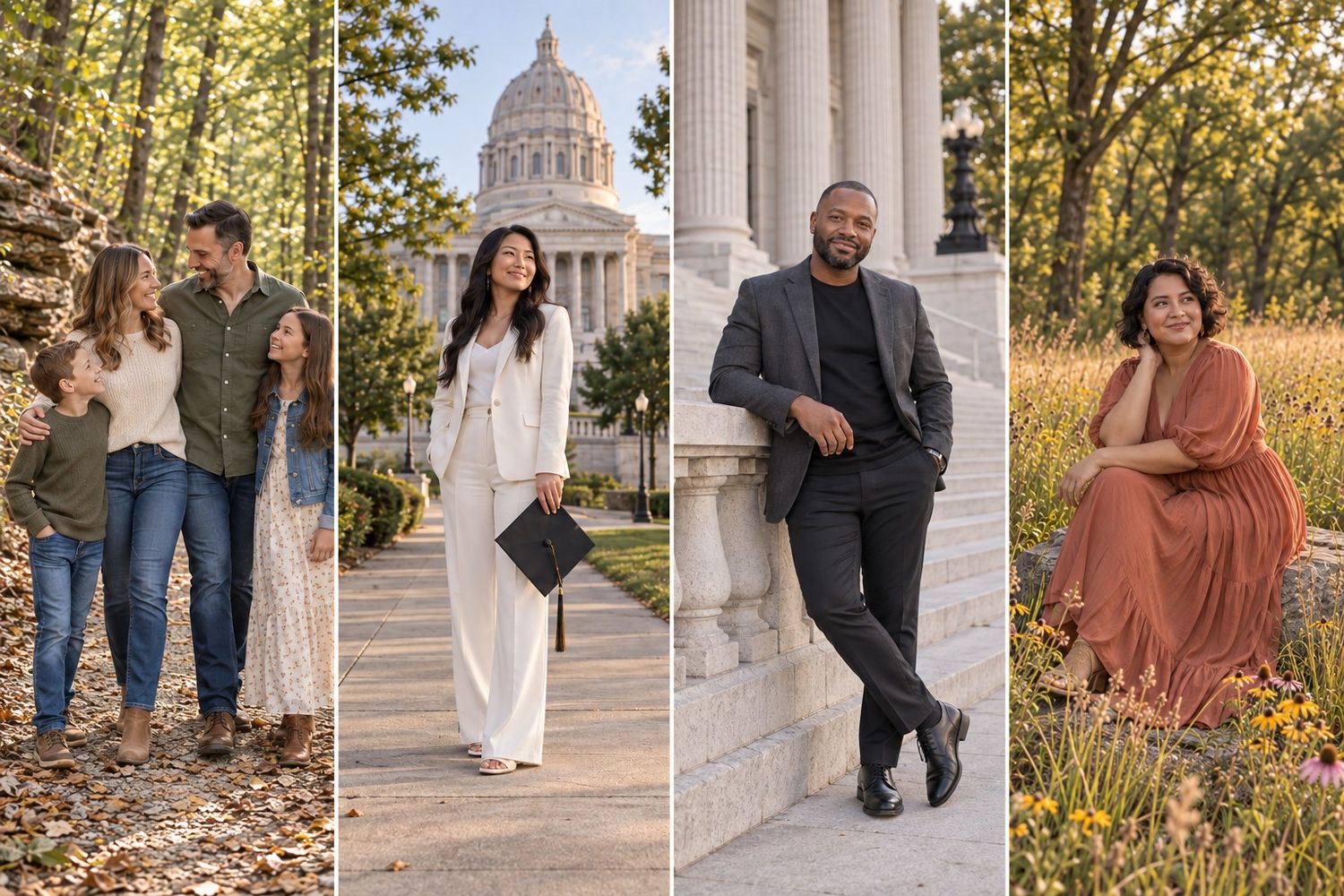
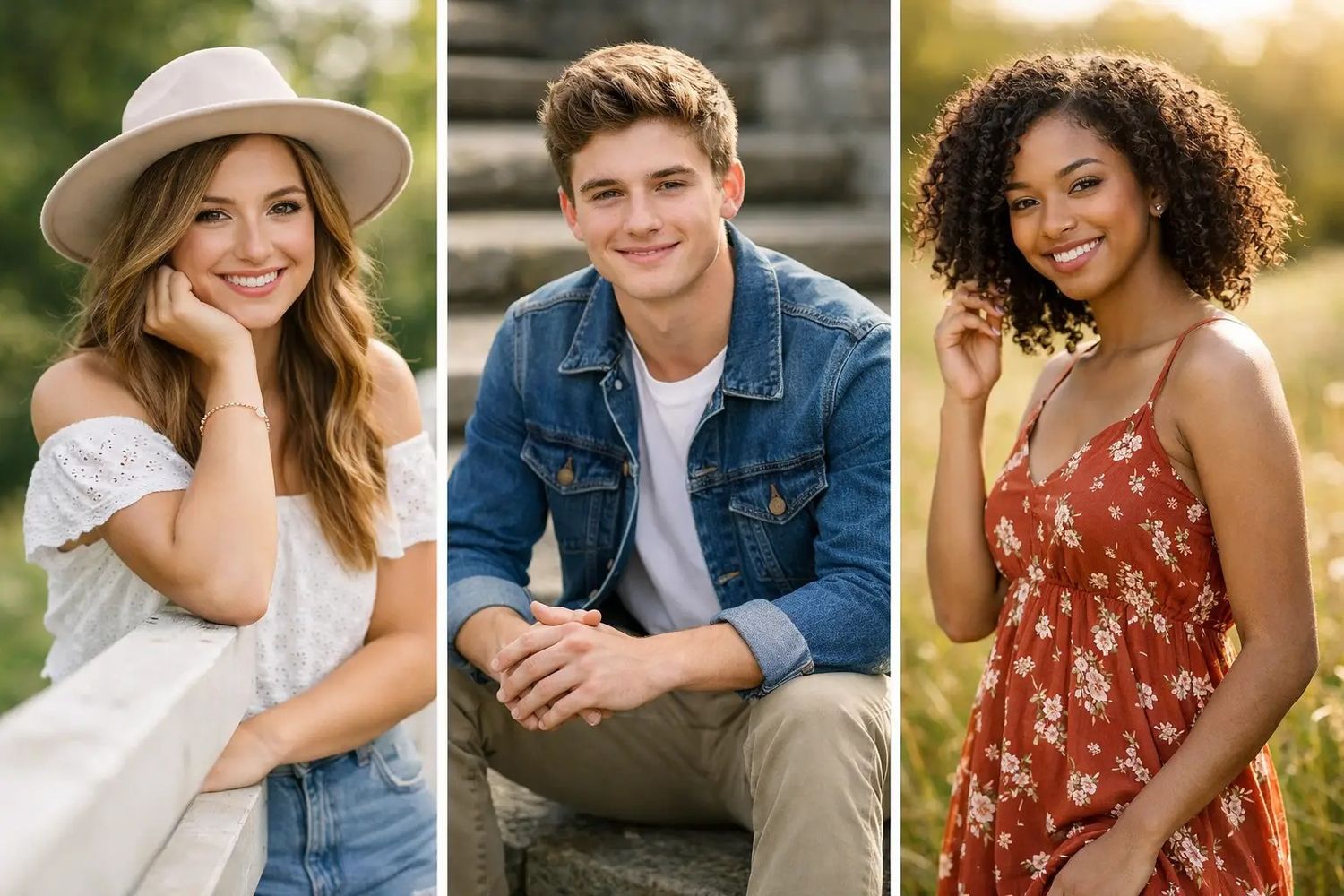
A senior portrait session is not a costume party, and it is not a test of whether you can recreate someone else’s Pinterest board. It is a chance to mark a remarkable threshold: the person you have become, the life you are preparing to step into, and the people who are proud to witness it. The best senior portrait outfits make room for all of that. They feel like you on a very good day - considered, confident, and fully present.
For many seniors and parents, wardrobe is the first source of session anxiety. There are questions about trends, comfort, fit, color, and whether an outfit will still feel right years from now. The answer is rarely one perfect look. A strong wardrobe is built around intention, variety, and the kind of confidence that cannot be faked.
Start With the Version of You You Want to Remember
Before choosing a shirt, dress, jacket, or pair of shoes, think beyond the photo itself. When you look at these portraits five, ten, or twenty years from now, what do you want them to say? Maybe you want to remember your easy humor, your quiet strength, your love of fashion, your athletic focus, or the way you felt just before a new chapter began.
That feeling should guide the clothing. A senior who practically lives in vintage denim may look more compelling in a beautifully fitted pair of jeans and a distinctive jacket than in a formal outfit that feels borrowed. Someone drawn to polished, editorial style might feel completely at home in tailored trousers, a clean blouse, or a structured dress. Neither approach is more valid. The goal is authenticity with enough refinement to make the portraits feel intentional.
Parents often worry that personal style will date the images. Some trends will, of course. But personality does not date. A thoughtfully chosen piece that reflects who a senior truly was at this moment carries more emotional value than an outfit selected only because it was considered safe.
Build Senior Portrait Outfits Around Variety
Most senior sessions benefit from two or three looks rather than a closet full of options. Too many changes can drain energy and shift attention away from the experience. A small, purposeful wardrobe gives the final gallery a wider visual story while leaving room for connection, movement, and genuine expression.
Think in terms of contrast. Pair one elevated look with one relaxed look, then consider a third that reveals an important part of your life. That might mean a classic dress with boots, followed by jeans and a favorite sweater, then a letter jacket, dance attire, band uniform, or a look inspired by a future career. The clothing does not need to announce every accomplishment. A few meaningful details can say more than a dozen props.
The strongest combinations usually vary in silhouette and mood as well as color. If your first outfit is structured and formal, the next might be softer or more casual. If one look is dark and dramatic, another can bring in warmth or light. This creates portraits that feel like a collection rather than multiple versions of the same frame.
Choose Color With the Setting in Mind
Color shapes mood quickly. Jewel tones such as emerald, cobalt, burgundy, and deep plum often bring richness and dimension to portraits. Soft neutrals - cream, camel, olive, charcoal, and warm gray - create a timeless, understated feeling. Bright colors can be beautiful too, especially when they are part of a senior’s personal style, but they work best when the rest of the look remains clean and uncomplicated.
For outdoor portraits in Mid-Missouri, consider the season and location. Earthy colors can feel especially at home against autumn foliage or textured stone. Pastels and light neutrals can be striking in open fields, downtown settings, or soft evening light. A black outfit can look wonderfully editorial, though adding texture, layered jewelry, or a contrasting jacket may keep it from feeling visually flat.
Try not to make every look heavily patterned. One subtle print can add personality, but competing patterns, large logos, and prominent lettering tend to pull attention away from your face. The portrait should still feel like it is about you, not the brand on your sweatshirt.
Fit Matters More Than the Size on the Tag
The most photogenic outfit is one you can move and breathe in. Portraits often include walking, sitting, leaning, laughing, and changing positions, so clothing should support those moments rather than require constant adjustment. If you are tugging at a hem, pulling at a neckline, or worrying about a waistband, that tension can show.
Choose pieces that fit your body as it is now, not the body you think you are supposed to have. Tailoring can make a meaningful difference, particularly for blazers, dresses, trousers, and button-down shirts. It is not about chasing perfection. It is about allowing the garment to sit well so you can stop thinking about it.
Bring the right undergarments for each look, especially with lighter fabrics, low backs, fitted dresses, or layered styling. Test the outfit in daylight before the session. Stand, sit, raise your arms, and take a few phone photos. A quick check at home often catches a sheer fabric, a strap that slips, or a shoe that will not be comfortable for a full session.
Use Accessories to Tell a Quieter Story
Accessories can elevate senior portrait outfits without turning them into distractions. A favorite hat, a simple chain, statement earrings, a watch, a meaningful ring, or a polished pair of boots can add texture and individuality. The key is editing. If one accessory is the focal point, let it have space.
Personal items are especially meaningful when they have a connection to your life. A grandmother’s necklace, a class ring, an instrument, a well-loved book, or a piece connected to a sport or art form can become part of the story. Use them because they matter, not because you feel required to prove how busy or accomplished you are.
Shoes deserve more consideration than they usually receive. They appear in more images than expected and influence posture, movement, and confidence. Choose footwear that belongs with the outfit and that you can actually walk in. If you love heels or boots but do not want to wear them between locations, bring a comfortable pair to change into.
Coordinate, Do Not Copy
When family members plan to join for a few portraits, aim for harmony rather than matching uniforms. Choose a shared color palette, then let each person wear something that suits their own style. Cream, navy, denim, muted greens, warm browns, and soft blush tones can work beautifully together when mixed with different textures and layers.
Avoid placing everyone in the same white shirt and jeans unless that genuinely feels like your family. These images are part of a larger legacy. They deserve to show the relationships as they actually feel: connected, individual, and alive.
Give Yourself Permission to Be Seen
The pressure to look perfect can make getting dressed feel bigger than it needs to be. But a senior portrait session is not about becoming more worthy of a beautiful photograph. You already are. Wardrobe simply helps set the visual tone for an experience designed to honor this moment with care.
At Ali Almazar Photography, styling guidance is part of creating portraits that feel personal rather than generic. Bring your favorite options, stay open to thoughtful direction, and choose the pieces that make you stand a little taller. Years from now, the most meaningful image may not be the one with the trendiest outfit. It may be the one where you recognized yourself immediately - confident, known, and ready for what comes next.