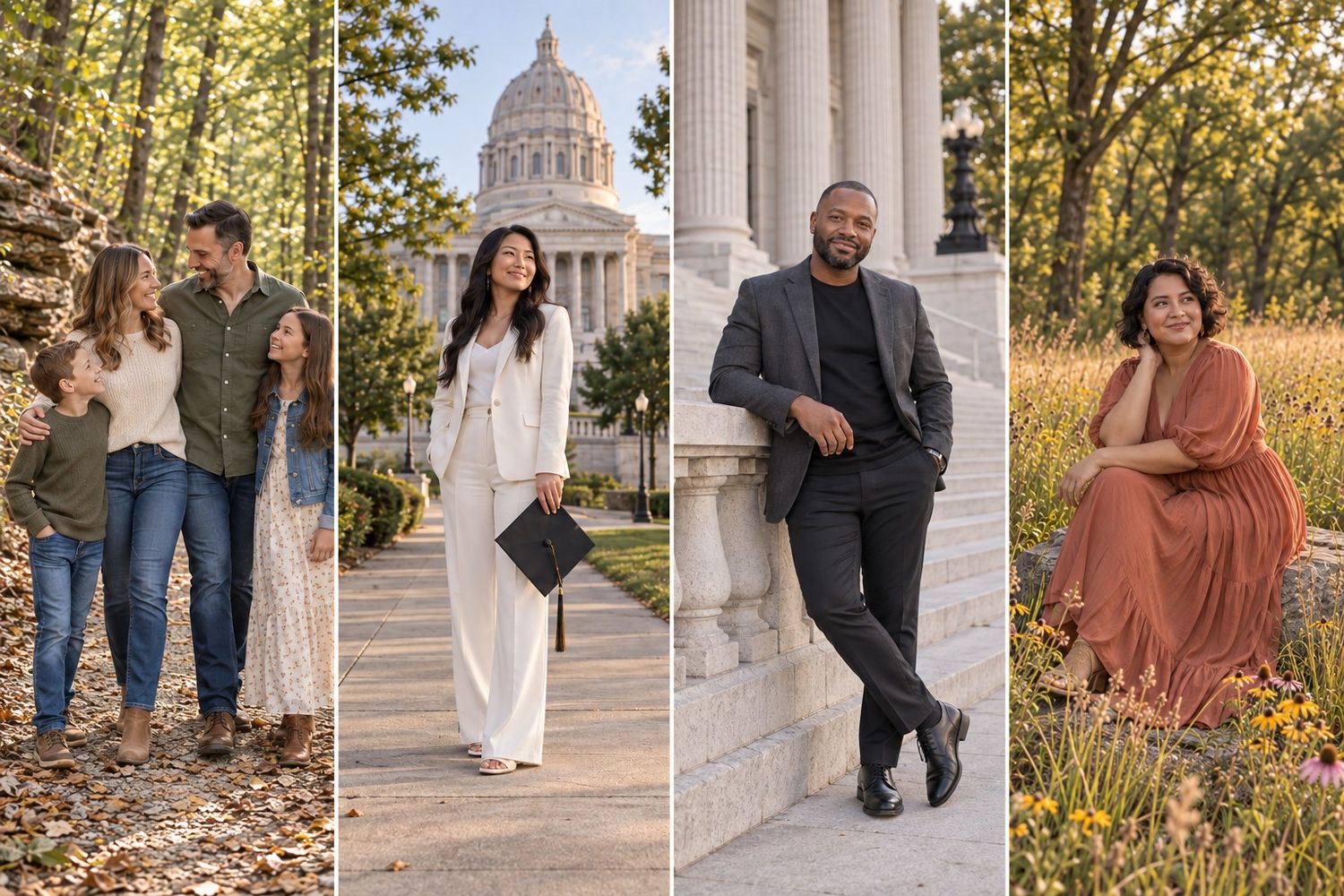
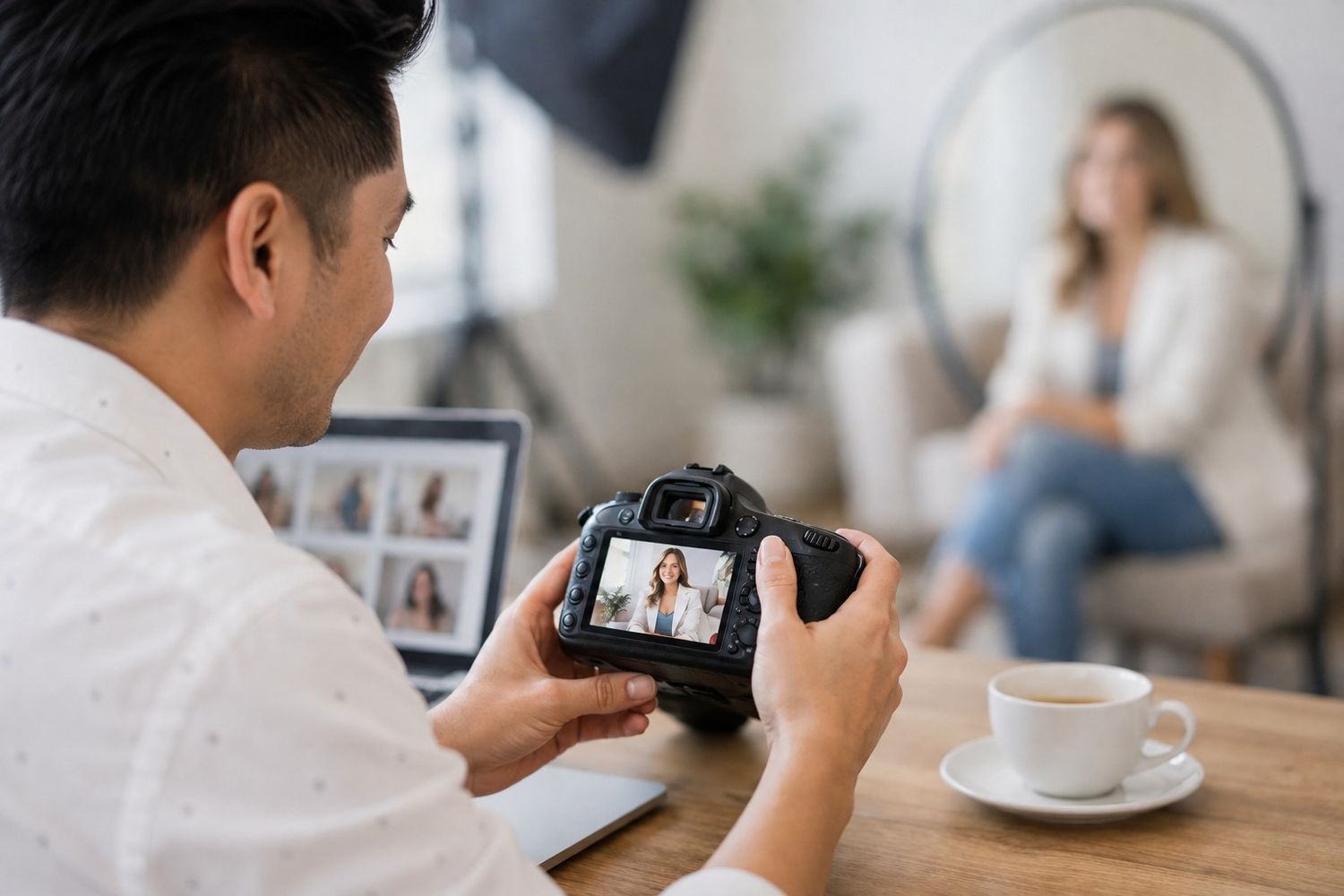
The first impression of your business often happens before a conversation, a consultation, or a handshake. Personal branding photography gives that first impression a face, a point of view, and a sense of presence. It shows prospective clients not only what you do, but how it feels to work with you: composed, generous, capable, creative, direct, warm, or quietly assured.
For a professional whose work is built on trust, a generic headshot is rarely the whole story. Your audience is looking for signals. They want to see whether your style reflects their needs, whether your values feel familiar, and whether you appear ready to guide them through an important decision. Thoughtful imagery can answer those questions before you ever step into the room.
Personal Branding Photography Is More Than a Headshot
A headshot has a clear purpose. It introduces you. It belongs on a speaker bio, an About page, a professional profile, or an email signature. It should be polished, flattering, and recognizably you.
Personal branding photography has a wider role. It creates a visual library around your work, your personality, and the experience you offer. That may include portraits with editorial presence, candid-looking moments at work, details of your hands and tools, an inviting workspace, or images that suggest the rhythm of a client meeting. The goal is not to manufacture a persona. It is to make your existing presence easier to recognize and remember.
That distinction matters when your work is personal. A financial advisor may want imagery that communicates calm clarity. A designer may need images with more color, movement, and visual texture. A wellness professional might prefer a grounded, approachable atmosphere rather than a formal corporate setting. Each choice tells a small part of the same story: this is who I am, and this is how I serve.
Begin With the Feeling You Want Clients to Carry
Before choosing an outfit or a location, consider the emotional impression you want to leave. Not the version of your business you think you should imitate, but the quality that your best clients already appreciate in you.
Perhaps people tell you that you make complicated decisions feel manageable. Perhaps your work is energetic and collaborative. Perhaps discretion, discernment, and impeccable preparation are at the heart of your service. These are not abstract marketing terms. They can shape every visual decision, from the light in the room to the way you are photographed looking toward the camera.
A strong session begins with a few honest questions: What do clients come to you for beyond the service itself? What should someone feel before contacting you? Where do you do your best work? What would feel unlike you, even if it looks popular online?
There is no single right answer. A carefully tailored suit in a refined interior may be exactly right for one professional and overly formal for another. A relaxed outdoor setting can feel open and familiar, but it may not support a brand that needs to communicate precision or privacy. The most compelling images are not built around trends. They are built around alignment.
Plan for a Collection, Not One Favorite Image
One exceptional portrait has value. A cohesive collection gives you options, consistency, and room to communicate with more depth. When every image on your website or social platforms comes from a different moment, quality level, or season, your presence can feel fragmented even when your work is excellent.
Think about the places your images will live. You may need a welcoming horizontal image for a homepage, a vertical portrait for a profile, close details for social media, and generous negative space for announcements or written content. You may also want photographs that support specific services, a new offering, press features, speaking engagements, or team introductions.
A well-planned branding session can create images for several of these needs at once:
- A confident primary portrait that feels current and approachable
- Environmental images that place you in the world of your work
- Detail photographs that add texture to a website or campaign
- Natural interaction images that suggest the client experience
- A few elevated, editorial portraits that give your brand visual distinction
This does not mean every image must look carefully staged. It means the collection should feel related. Consistent light, thoughtful styling, and intentional direction allow your audience to move from one image to the next without wondering whether they are seeing the same business.
Styling Should Support You, Not Compete With You
The most elegant branding wardrobe is often the one that lets your face, posture, and energy come forward. Choose pieces that fit beautifully, feel comfortable to move in, and make sense for the level of service you provide. Texture photographs especially well: a structured jacket, soft knitwear, silk, linen, leather, or a considered accessory can bring dimension without creating distraction.
Color deserves the same care. Neutrals can feel timeless and luxurious, while a signature color can make a brand more recognizable. Neither is automatically better. If you are known for bright optimism, a wardrobe made entirely of beige may not tell the truth. If your work centers on sophisticated restraint, overly bold styling can pull attention away from your message.
Bring variety through layers rather than trying to create several unrelated identities. A jacket on and off, a change of earrings, or a shift from a more formal look to a relaxed one can create range while keeping the final gallery cohesive. Your photographer can help you refine these choices in relation to the setting and the finished use of the images.
Direction Is What Makes the Images Feel Natural
Many professionals arrive at a branding session saying some version of the same thing: “I am not good in photos.” Usually, that means they have been left without direction before. They have been asked to stand still, smile on command, and somehow look relaxed while feeling exposed.
A guided experience changes the equation. Small adjustments in posture, where you place your hands, how you turn toward the light, and where you rest your attention can create a portrait that feels confident without becoming stiff. Movement matters, too. Walking into a space, arranging a notebook, sharing a laugh, or settling into a conversation can give an image an easy sense of life.
The best direction does not erase your mannerisms. It makes room for them. You should still look like yourself on a calm, capable, especially good day. That is the balance worth pursuing: images that are elevated enough for your ambitions and honest enough for the people who already know you.
Make Room for the Human Details
People do business with people, especially in fields where clients are making meaningful investments or sharing personal parts of their lives. A branding gallery should have professionalism, but it should not feel emotionally vacant.
Consider including objects and rituals that genuinely belong to your work. A favorite notebook, the tools of your craft, a well-appointed office, a consultation table, or the quiet preparation before a client arrives can add specificity. These details are most effective when they are true to your day-to-day experience, not borrowed merely because they photograph well.
This is also where a luxury experience can become visible without feeling performative. It may appear in the quality of your environment, the care in your materials, the attentiveness of your hands, or the composure of your expression. Luxury is not always about spectacle. Often, it is the feeling that every detail has been considered.
Let Your Images Age With Grace
Branding photographs should feel current, but they do not need to chase every visual trend. Heavy filters, overly exaggerated expressions, or props tied to a fleeting social moment can date quickly. A more enduring approach uses clean color, intentional composition, and styling that feels like an extension of your real life and work.
That said, timeless does not mean bland. A portrait can be artistic, modern, and visually bold while still holding its relevance years from now. The question is whether the image belongs to your brand or simply to a passing aesthetic.
At ali almazar Photography, the aim is not to hand you pictures that merely fill a content calendar. It is to create a body of imagery that reflects your work with care and gives you something lasting to build from.
When you are ready for new photographs, begin with the version of your business you want people to feel in their first few seconds with you. The right images will not ask you to become someone else. They will give the person you already are a place to be seen clearly.