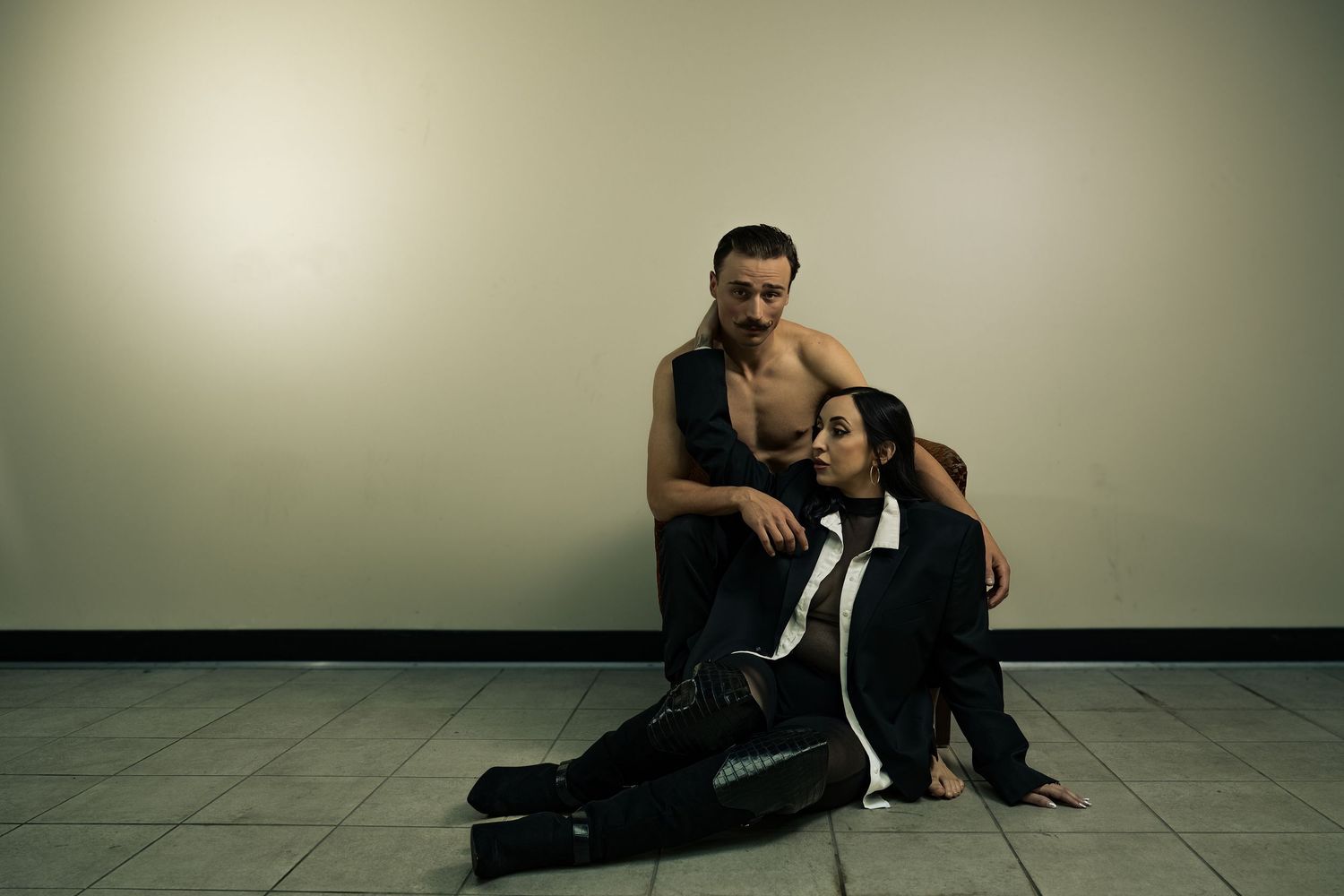
A great portrait doesn't begin with knowing how to pose. It begins with being met by someone who sees more than the things you may be inclined to criticize in yourself. When clients ask how I create editorial portraits for people who are not models, the answer is not a secret pose or a dramatic location. It is a carefully guided experience built around who they are, what they want to remember, and how they deserve to be seen.
Editorial portraiture has a certain presence. It feels intentional, polished, and alive with point of view. But that doesn't mean it should feel stiff, overly styled, or reserved for people who have spent years in front of a camera. The most compelling portraits often belong to people who arrived saying, "I never know what to do with my hands" or "I am not photogenic." They are parents, founders, seniors, newly engaged couples, artists, and people claiming a new chapter in their lives.
Editorial Portraits Begin With Your Story
A magazine-inspired image can be beautiful, but beauty without connection has a short shelf life. Before a session, I want to understand what is drawing you to be photographed now. Perhaps your family is changing faster than you expected. Perhaps you are building a business that finally reflects your ambition. Perhaps you are celebrating graduation, a relationship, strength regained, or simply the decision to take up space in your own life.
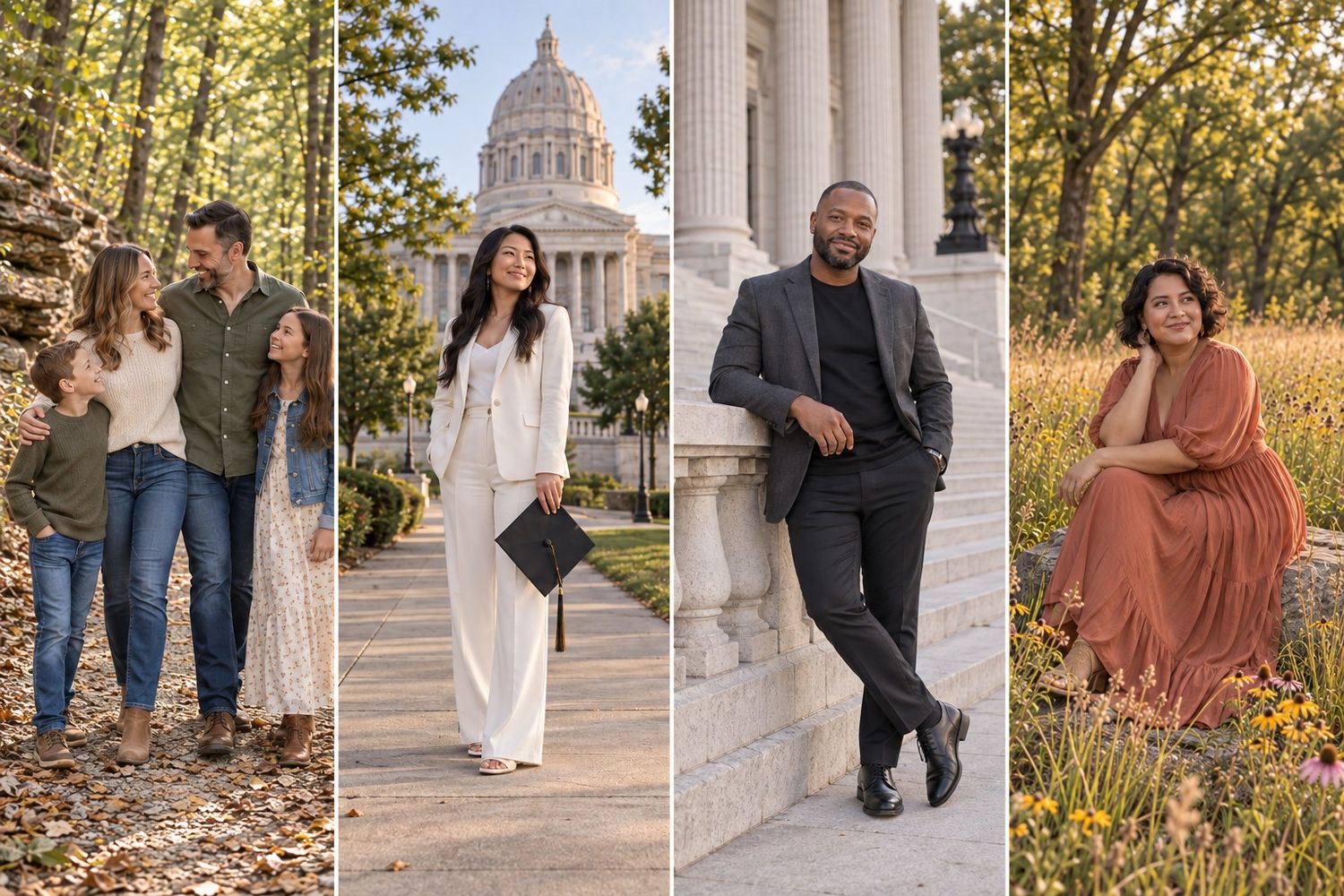
That context informs everything that follows. A senior with a quiet, observant presence may need a different visual rhythm than a professional stepping into a visible leadership role. A family session may call for movement, closeness, and room for children to be themselves. A beauty or boudoir portrait may be about softness, edge, freedom, or a combination of all three. The editorial quality comes from having a clear point of view, not from forcing every person into the same look.
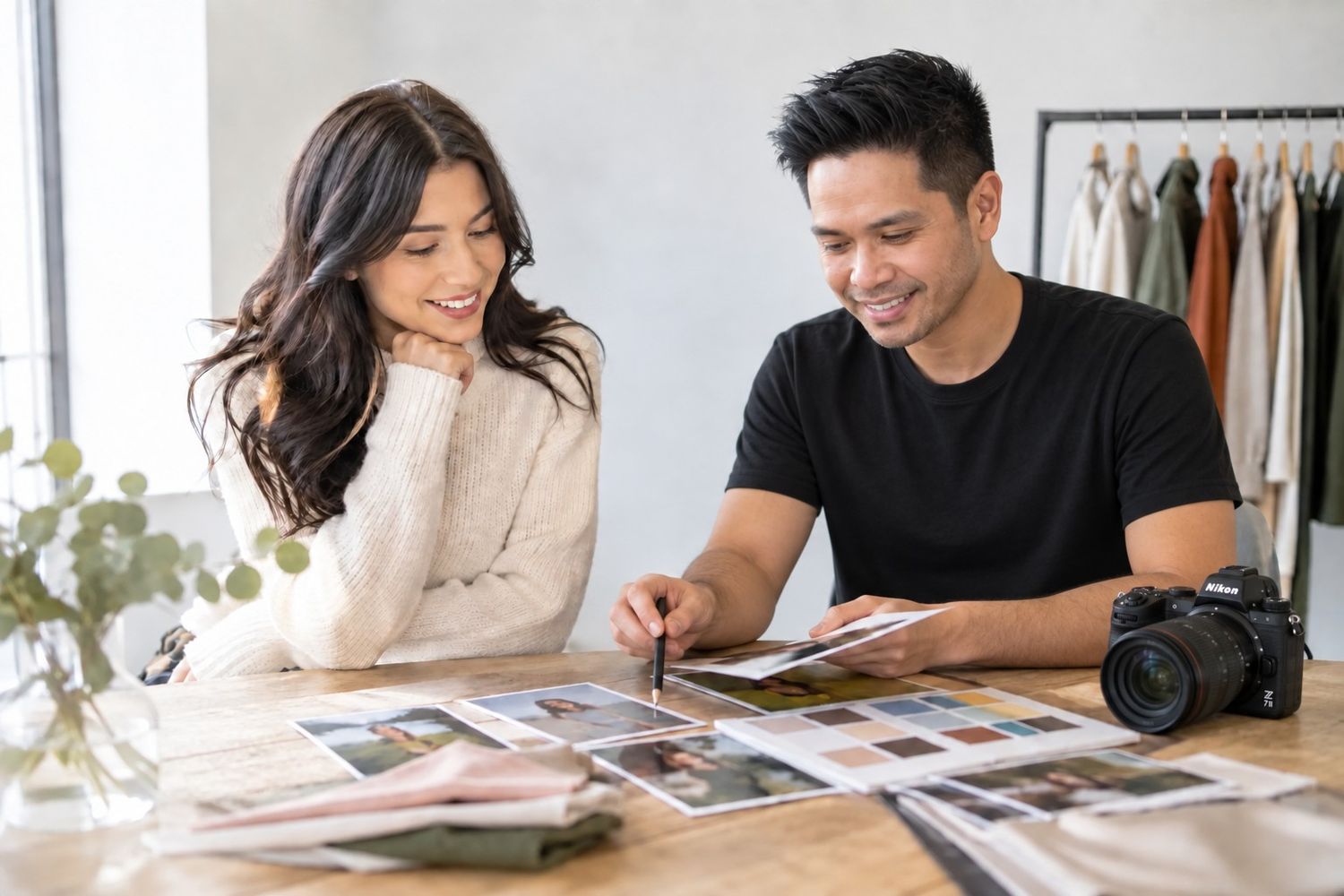
This is also why a custom session matters. The goal isn't to reproduce an image from someone else's feed. Inspiration can be useful, but the final work should feel like it belongs to you. Your wardrobe, setting, pace, and energy all become part of the visual story.
How I Create Editorial Portraits for People Who Are Not Models
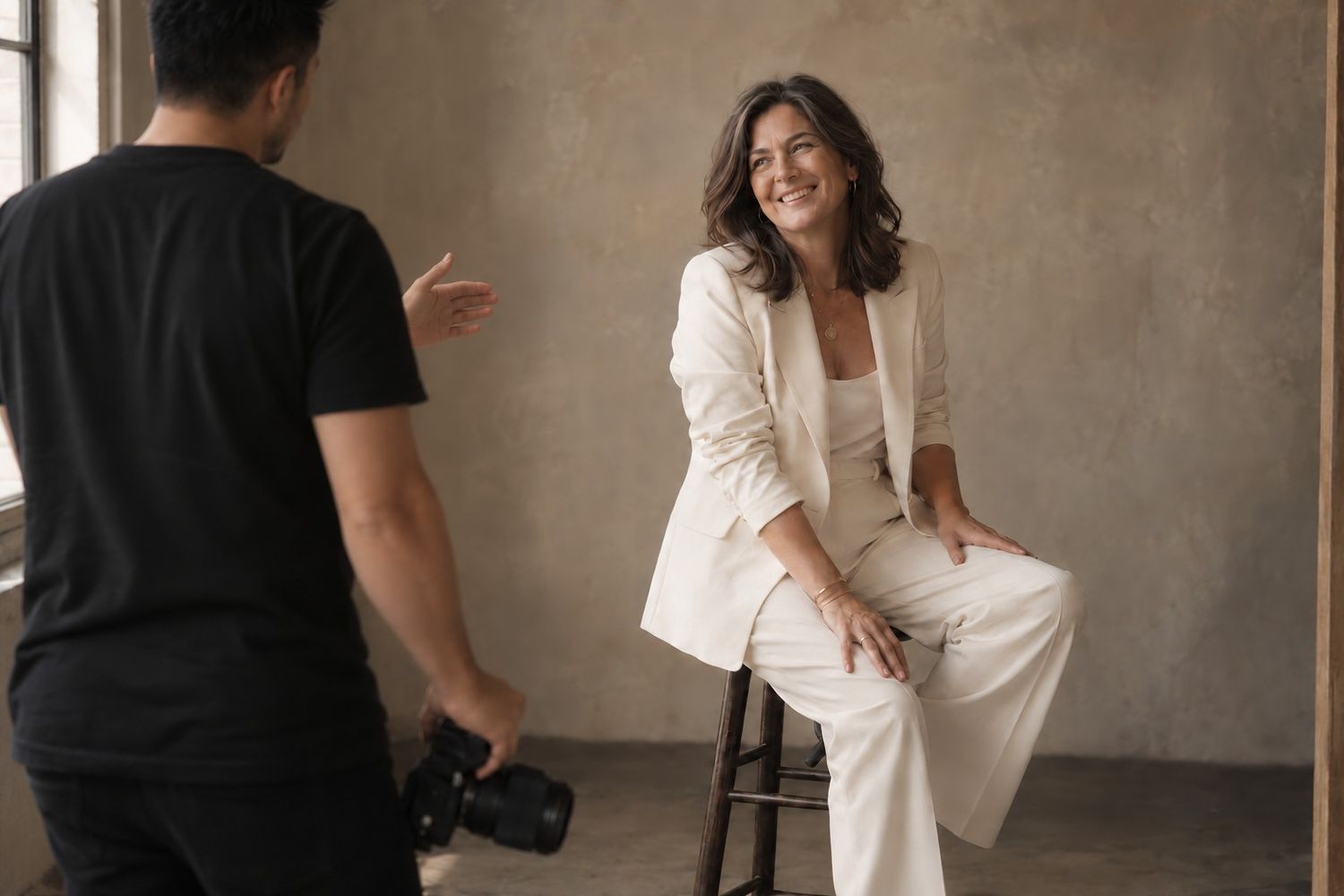
Most people don't need more pressure to perform. They need direction that is clear enough to create confidence and gentle enough to leave room for personality. I don't expect clients to arrive knowing their best angles, expressions, or movements. That is my responsibility.
We begin by slowing down. The first few minutes are not about chasing a perfect frame. They are about finding a pace that feels natural. I will guide where to stand, how to shift your weight, what to do with your hands, and where to place your attention. Rather than asking you to hold a complicated pose, I build one small adjustment at a time. Turn your shoulder slightly. Let your chin follow the light. Take a breath. Look just beyond the camera. Relax one hand.
Those small directions make a meaningful difference. They create shape and intention without making you look posed. More importantly, they give you something to focus on besides wondering whether you are doing it right.
Editorial images also need movement. Stillness can be powerful, but movement introduces ease and dimension. I may ask you to walk slowly, adjust a jacket, brush a hand across your hair, lean into your partner, or turn toward your child as they laugh. These are not random actions. They create genuine transitions, allowing expressions to emerge between the moments when we are all trying too hard.
There is a balance here. Too much direction can make a portrait feel artificial. Too little can leave someone feeling exposed and uncertain. The right approach depends on the person in front of the camera. Some clients come alive with bold, sculptural posing. Others look their most magnetic when the direction is nearly invisible. Both can produce refined, editorial work.
Styling Is About Cohesion, Not Costume
Wardrobe has the power to elevate a portrait before the camera ever comes out, which is why styling guidance is part of the experience. The goal is never to make you look like someone else. It is to choose pieces that photograph beautifully and support the feeling you want your images to hold.
Texture, fit, and color matter more than following a rigid trend. A well-tailored suit, a flowing dress with movement, structured denim, a crisp shirt, or a beautiful knit can all feel editorial when they fit well and feel true to the wearer. Neutral tones can create a timeless foundation, while a saturated color or a distinctive accessory may be exactly what gives a session its signature. For families, coordinating is more flattering and sophisticated than matching exactly. Each person should look connected to the whole while still looking like themselves.
I also encourage clients to think about the life of the photographs after the session. An outfit that feels wonderful in a single image may not be the right choice for a large piece of artwork in your home. On the other hand, a statement look may be perfect for a portfolio box or a set of images that captures a bolder side of you. There is no universal answer. It depends on the story, the space, and what you want to feel each time you see the work.
Light, Environment, and the Space to Be Yourself
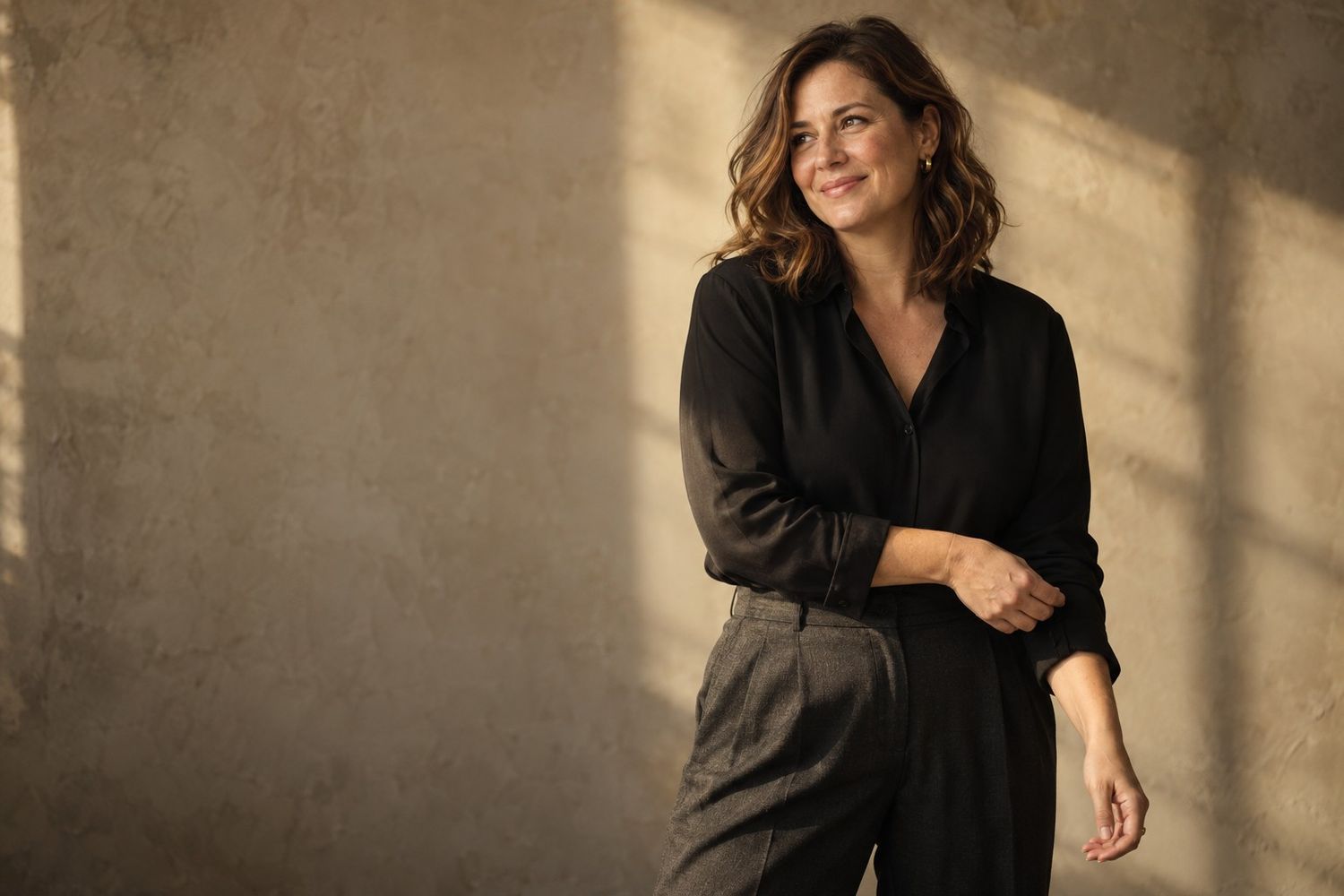
Editorial style is often associated with dramatic light, clean composition, and expressive settings. Those elements matter, but they should serve the person, not overpower them. A quiet studio backdrop can bring attention to expression and posture. A downtown street can add graphic lines and energy. A field at golden hour can make space for intimacy and movement. At home, familiar rooms can hold the tenderness of a family's everyday life.
The best location isn't always the most elaborate one. A setting that feels comfortable can make a client more present, and presence photographs beautifully. I look for environments that complement the mood of the session and give us variety without turning the experience into a production for production's sake.
Light is part of that emotional language. Soft light can feel intimate and forgiving. More directional light can bring drama, confidence, and definition. Neither is inherently better. The choice should reflect the image you want to make and the way you want to be remembered.
The Portrait Happens Between the Poses
A polished final image may look effortless, but effortless is different from unplanned. The in-between moments often become the ones clients love most: a laugh after a serious expression, a parent looking down at their child, a quiet glance between partners, the moment a person realizes they do not have to hide from the camera.
That is why trust is central to the process. You don't have to earn the right to be photographed after you lose weight, after your schedule calms down, after the children are older, or after you become more comfortable in your own skin. Portraits can be part of how that comfort is built.
For clients who feel nervous, I make room for that feeling rather than pretending it is not there. Nerves are normal. They usually soften once there is a clear plan, a little laughter, and the reassurance that no one is being asked to become a model. You only need to arrive as yourself.
Finished Artwork Gives the Experience a Home
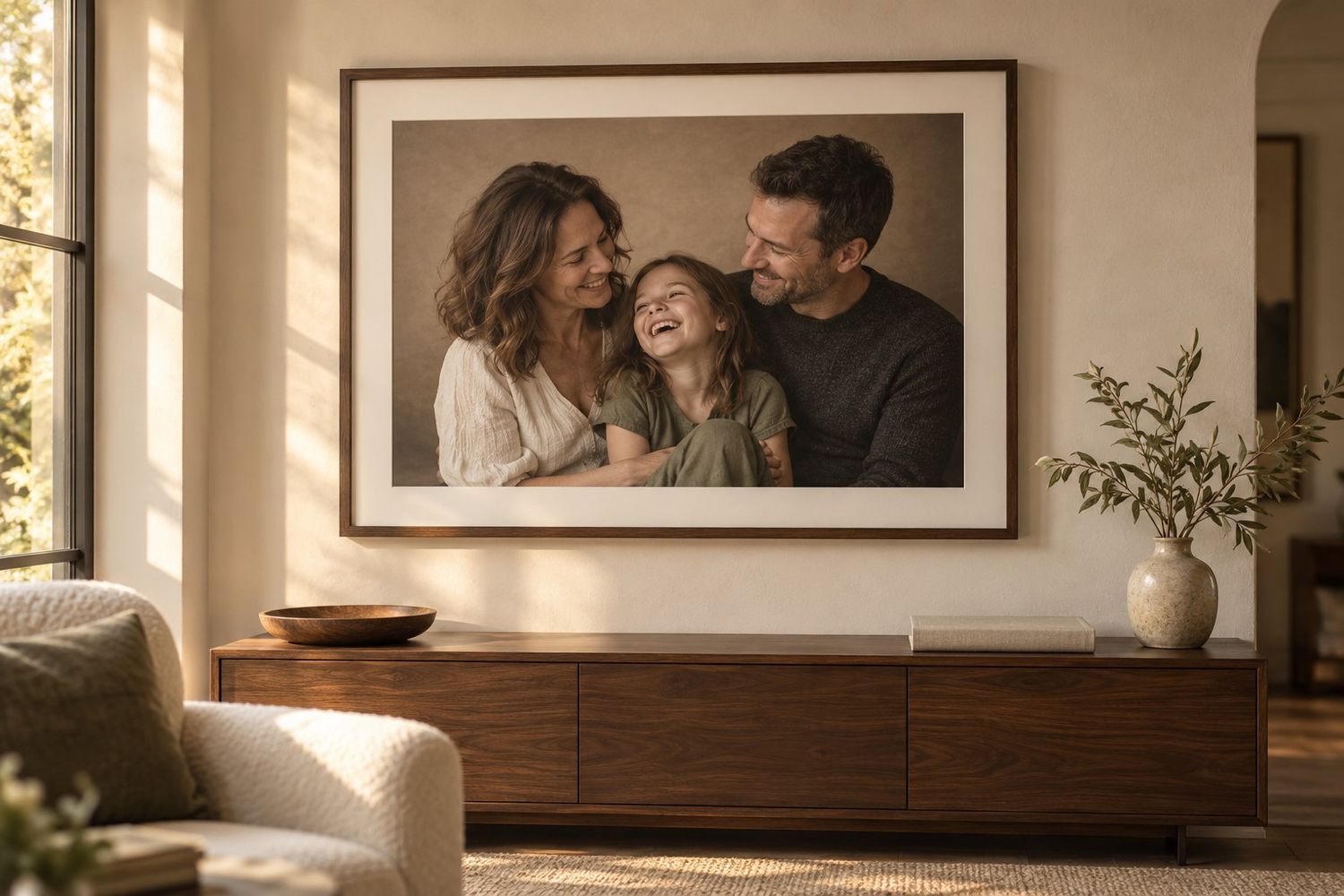
A portrait session should not end as a forgotten folder on a phone. Images gain meaning when they are lived with. A framed portrait in an entryway can remind a family of a season they chose to celebrate. A metal print can bring strength and color to a workspace. A folio box can become a private, tactile record of confidence, connection, or transformation.
Choosing artwork is not an afterthought. It is part of deciding what deserves a place in your home and in your memory. Some images are meant to be seen every day. Others are meant to be held, revisited, and protected. Both are valuable because both give your story a physical place to live.
The camera doesn't require perfection from you. It asks for a little willingness, and then it gives us somewhere to begin. Come as you are, bring the chapter worth honoring, and allow yourself to be seen with the care and intention you would offer someone you love.